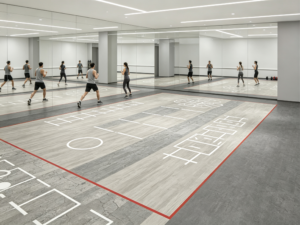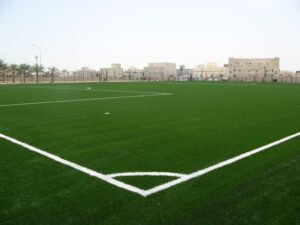
Step into any modern sports facility, and the first thing you might notice is the floor. It is the canvas upon which athletic excellence is painted. But beyond its visual appeal, the sports floor is a complex engineering marvel designed to protect athletes, enhance performance, and withstand the relentless demands of daily use. Whether it is a neighborhood community center or a world-class stadium, the choice of surface is one of the most critical decisions a facility manager can make.
The global sports flooring market is booming, driven by increasing participation in sports, rising awareness of athlete safety, and massive infrastructure investments worldwide. However, with so many options available—rubber, vinyl, wood, artificial turf, and specialized mats—navigating the landscape can be overwhelming. This article aims to demystify the selection process, highlight key application scenarios, and examine the evolving needs of different geographic markets. We will also explore the critical role of accessories, such as tape, in maintaining professional standards.
Understanding the Core Applications of Sports Flooring
The phrase “one size fits all” does not apply to sports flooring. Different sports and activities impose vastly different demands on the floor surface. Understanding these nuances is the first step toward making an informed purchase.
Indoor Court Sports (Basketball, Volleyball, Badminton):
These sports require a surface with consistent ball bounce, excellent shock absorption, and a certain level of friction to prevent slipping. Traditionally, hardwood maple has been the gold standard. However, high-performance synthetic sports floor options, such as vinyl and engineered wood, are gaining ground due to their lower maintenance costs and ease of installation. These surfaces often feature a multi-layer construction with a wear layer, a printed design layer, and a foam backing for cushioning.
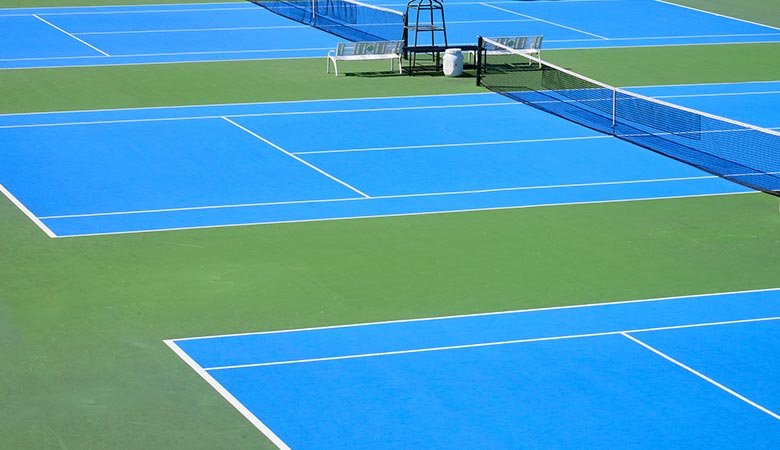
Combat Sports and Martial Arts (Wrestling, Judo, MMA):
These disciplines demand soft, impact-absorbing surfaces. Sports floor mats are the go-to solution here. These mats are typically made from high-density foam covered with durable vinyl or PVC. They provide the necessary cushioning to protect athletes from falls and throws. Modern mats are also antimicrobial and easy to clean, which is essential for facilities that host multiple users.
Fitness and Weightlifting Areas:
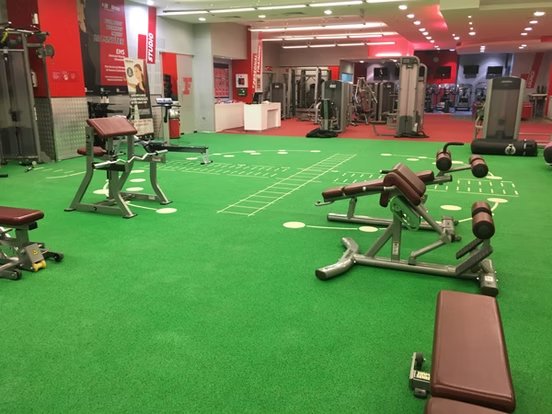
Gyms and weight rooms require floors that can handle heavy equipment, dropped weights, and high-traffic footfall. Rubber sports flooring is the undisputed champion in this category. Rubber tiles or rolls offer exceptional durability, sound absorption, and slip resistance. They also protect the subfloor from damage caused by heavy barbells.
Multi-Purpose Facilities:
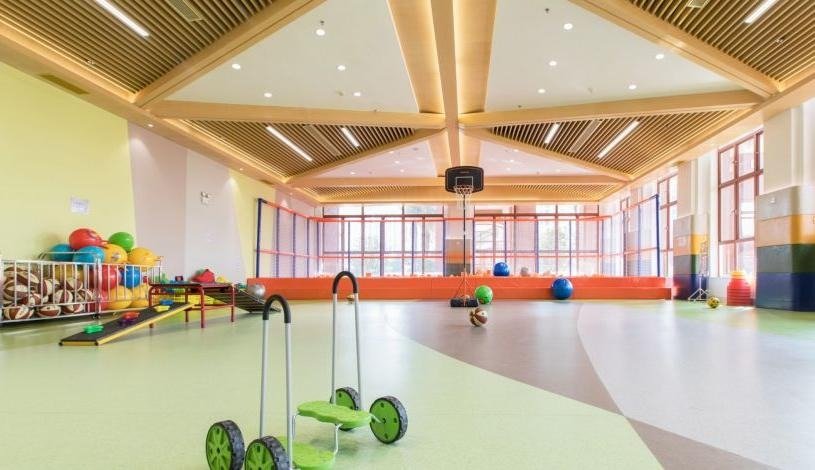
Many schools and community centers host a variety of activities—basketball on weekdays, dance classes on weekends, and community events in between. For these facilities, a versatile sports floor that can accommodate multiple uses is essential. Interlocking tiles made from polypropylene or rubber are a popular choice, as they can be easily installed, removed, and reconfigured as needed.
The Middle East: A Region of Unprecedented Growth
One of the most exciting developments in the industry is the rapid expansion in the Gulf region. The sports floor middle east market has seen an explosion in demand, driven by ambitious national visions, sports tourism, and the hosting of major international tournaments.
However, operating in this region presents unique challenges. The extreme heat, high humidity, and pervasive dust and sand require sports flooring solutions that are exceptionally durable and heat-resistant. Synthetic surfaces that can maintain their dimensional stability and mechanical properties in temperatures exceeding 40°C are in high demand.
Moreover, many projects in the Middle East are large-scale, involving entire sports cities and sprawling complexes. This requires sports flooring manufacturers to have robust supply chains and the capacity to handle massive orders while maintaining consistent quality. Local expertise is also valuable; understanding the installation requirements in the region’s specific climate conditions can significantly impact the longevity of the floor.
The Often-Overlooked Heroes: Flooring Tape and Maintenance
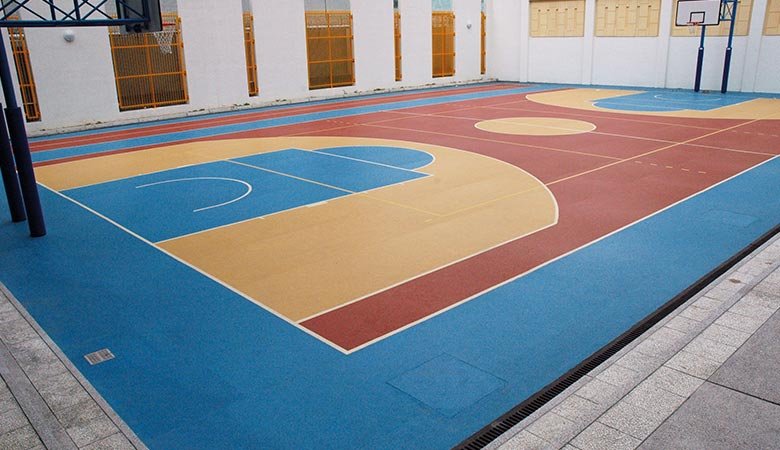
While the floor itself receives most of the attention, the accessories that support it are equally important. Sports floor tape is a critical component for any facility that hosts multiple sports or needs temporary markings.
In multi-purpose gymnasiums, lines for basketball, volleyball, and badminton often overlap. Using high-quality sports floor tape allows facilities to clearly demarcate different courts without permanent painting. This tape must be durable enough to withstand constant foot traffic and cleaning, yet removable without leaving sticky residue. Professional-grade tape also offers slip resistance, ensuring that players do not catch an edge during rapid movements.
Furthermore, the maintenance of sports flooring is an ongoing trend. Manufacturers are now offering easy-clean surfaces with antimicrobial properties. This is particularly important in the post-pandemic era, where hygiene standards have been elevated. Regular cleaning routines, combined with high-quality coatings, can extend the life of a sports floor from ten to twenty years or more.
Key Criteria for Choosing Sports Flooring Manufacturers
Selecting a reliable partner is as important as selecting the product itself. The market is saturated with options, but not all sports flooring manufacturers are created equal. Here is a checklist of what to look for:
Testing and Certification: Does the manufacturer adhere to international standards such as DIN, EN, or ASTM? Certification ensures that the floor meets safety and performance benchmarks for ball rebound, shock absorption, and friction.
Product Range: A good sports flooring company should offer a diverse portfolio, including options for different sports, budgets, and design aesthetics. This versatility allows you to source everything from a single supplier.
Technical Support: Installation of sports flooring can be complex. Look for a manufacturer that provides detailed installation manuals, technical support, and even on-site training.
Warranty and After-Sales: A robust warranty is a sign of confidence in the product. Inquire about coverage for wear and tear, color fading, and structural integrity.
Sustainability Credentials: With the trend toward eco-friendly construction, choosing a manufacturer that prioritizes recycled materials and sustainable production processes is a smart long-term investment.
Design Trends: The Aesthetic Revolution
Sports flooring is no longer purely functional; it is a branding tool. Teams and schools are increasingly using their floors to make a statement. Custom designs featuring team logos, school colors, and intricate patterns are becoming commonplace.
Modern printing technology allows for these designs to be embedded directly into the surface layer of vinyl and rubber sports flooring, ensuring that the graphics are durable and do not peel over time. This trend is particularly prevalent in high-profile venues and college sports facilities, where creating a visually intimidating home-court advantage is part of the game.
The Future: Sustainability Meets Performance
Looking forward, the integration of sustainability and high performance will continue to define the industry. We are seeing the development of bio-based polymers, recycled rubber crumb from old tires, and even floors that generate energy from footsteps. While some of these technologies are still in their infancy, they signal a clear direction for the industry.
Facility owners are also becoming more conscious of the total cost of ownership (TCO). This includes not just the initial purchase price but also installation, maintenance, and eventual replacement costs. Durable sports floor mats and surfaces that resist wear and tear will inevitably win out over cheaper alternatives that require frequent replacement.
RunsureFloor Company Profile
For many years, we have been at the forefront of the sports flooring industry. Our state-of-the-art production facilities consistently ensure product quality, while our experienced team provides unparalleled technical support. We have extensive global export experience and a strong market position in Asia, Europe, and the Americas.
Quality Control and Global Supply
Our rigorous quality control processes ensure that every batch of sports flooring meets standards. We work closely with our customers to ensure timely delivery and price stability, placing customer needs above market trends. Our commitment to customer satisfaction is reflected in our long-term partnerships with our clients, such as our decade-long collaboration with one of the world’s largest companies.
Conclusion
The world of sports flooring is dynamic, diverse, and evolving at a rapid pace. From the high-impact zones of professional basketball arenas to the cushioned surfaces of youth wrestling clubs, the right floor can significantly enhance athletic performance and safety. The explosive growth in the sports floor middle east market highlights the global nature of this industry, presenting opportunities and challenges for sports flooring manufacturers worldwide.
Whether you are outfitting a new gymnasium, replacing the sports floor mats in your martial arts studio, or simply looking for reliable sports floor tape to mark your multi-use court, quality and expertise matter. Partnering with an experienced sports flooring company that understands the nuances of materials, regional conditions, and installation techniques is the key to a successful project.
As we look to the future, the trends are clear: sustainability, technology, and customization will continue to dominate. By staying informed and working with trusted partners, you can ensure that your sports facility is not only up to code but also a source of pride and a haven for athletic achievement for decades to come. The floor is the foundation of every game—invest wisely.