Introduction
The sports flooring industry is undergoing a remarkable transformation. From advancements in material science to shifting consumer preferences, manufacturers are constantly adapting to meet the demands of athletes, facility managers, and event organizers. As the global market expands, particularly in emerging regions, understanding the latest trends and production challenges is essential for anyone involved in the industry.
This article explores the key questions surrounding modern sports flooring production, highlights the emerging trends shaping the sector, and provides a comprehensive look at how leading manufacturers are addressing quality, sustainability, and performance.

Emerging Trends in the Sports Flooring Industry
1. Sustainability and Eco-Friendly Materials
One of the most significant trends is the shift toward sustainable production methods. Consumers and regulators alike are demanding flooring solutions that minimize environmental impact. Manufacturers are now investing in recycled materials, bio-based polymers, and low-VOC (volatile organic compound) adhesives. This not only reduces the carbon footprint but also improves indoor air quality—a critical factor for indoor sports facilities.
2. Smart Flooring Technologies
The integration of sensors and IoT (Internet of Things) technology into sports floor systems is gaining traction. Smart floors can track athlete movements, monitor impact forces, and even detect moisture or temperature changes. This data helps coaches optimize training regimens and facility managers prevent injuries. While still in its early stages, this trend is expected to grow rapidly over the next decade.
3. Customization and Aesthetic Design
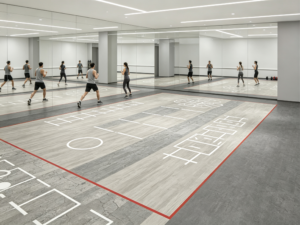
Gone are the days of plain, single-color floors. Today, facilities demand personalized designs—from team logos to vibrant court patterns. Advanced digital printing techniques allow for high-resolution graphics directly on the flooring surface, without compromising durability. This trend is especially popular in multi-purpose arenas and high-end fitness centers.
4. Hybrid Flooring Systems
Hybrid systems that combine the benefits of wood and synthetic materials are becoming a favorite. These floors offer the natural feel of wood with the durability and moisture resistance of synthetic polymers. They are easier to maintain and perform exceptionally well under heavy usage, making them ideal for both professional and amateur settings.
5. Focus on Injury Prevention
With sports-related injuries on the rise, flooring manufacturers are prioritizing shock absorption and energy return. Advanced foam layers and engineered subfloor systems reduce stress on joints and muscles. This is particularly important for high-impact sports like basketball, volleyball, and martial arts.
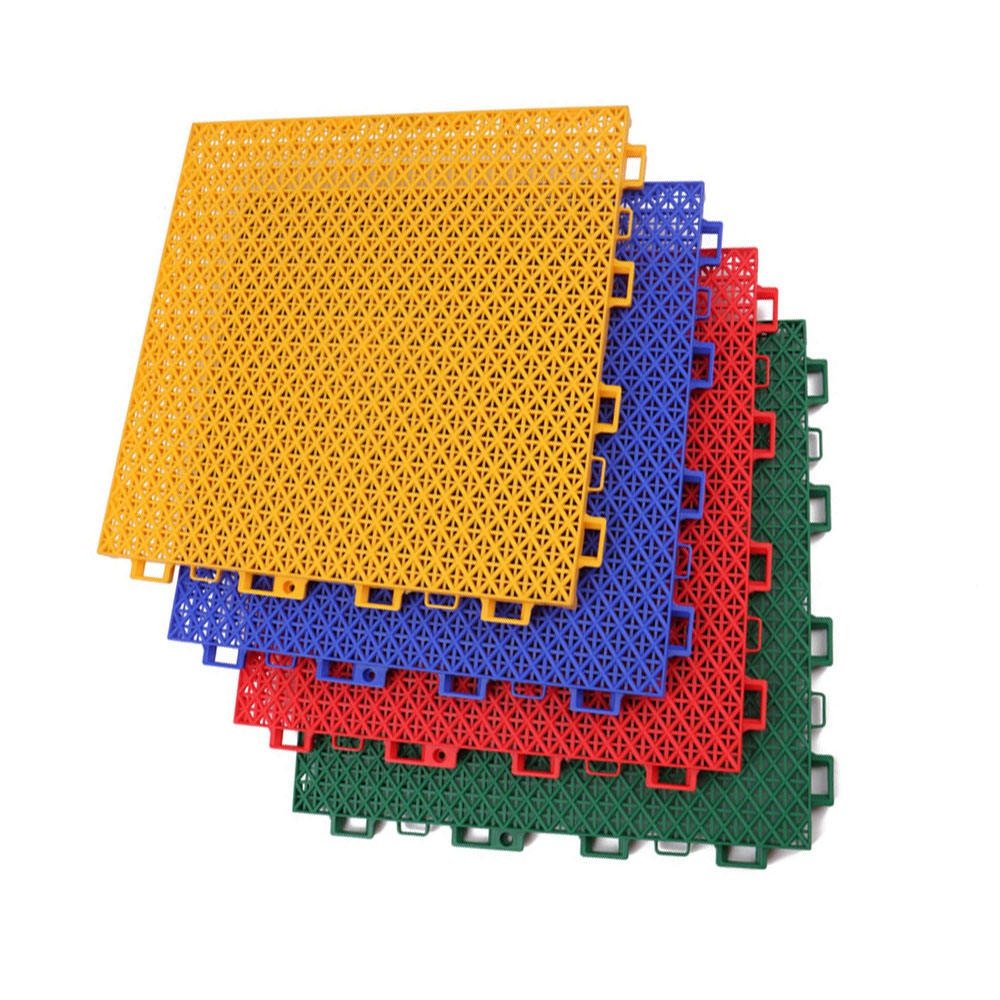
Production Challenges in Sports Flooring
Raw Material Sourcing
Quality begins with raw materials. Polyvinyl chloride (PVC), rubber, and polyurethane are the most common base materials. However, fluctuations in oil prices and supply chain disruptions have made sourcing more complex. Manufacturers must balance cost with performance, ensuring that each batch meets international standards.
Manufacturing Precision
Producing a high-performance sports floor requires precise control over thickness, density, and surface texture. Even minor deviations can affect ball bounce, traction, and player safety. Advanced calendering and lamination processes are employed to achieve uniformity. Automated quality inspection systems, including laser scanners and hardness testers, are now standard in modern factories.
Adhesive and Installation Issues
The installation process is as critical as the manufacturing phase. Improper adhesive application or subfloor preparation can lead to bubbling, peeling, or seam separation. This is where sports floor tape plays a vital role. High-quality tape ensures secure seams, reduces trip hazards, and maintains the floor’s integrity over time. Manufacturers are now developing tape with stronger acrylic adhesives that withstand temperature fluctuations and heavy foot traffic.
Export Logistics and Packaging
For global suppliers, packaging and shipping present unique challenges. Sports floor mats and rolls must be protected from moisture, UV light, and physical damage during transit. Custom crating and moisture-barrier films are often used. Additionally, compliance with local regulations—such as REACH in Europe or ASTM in the US—adds another layer of complexity.
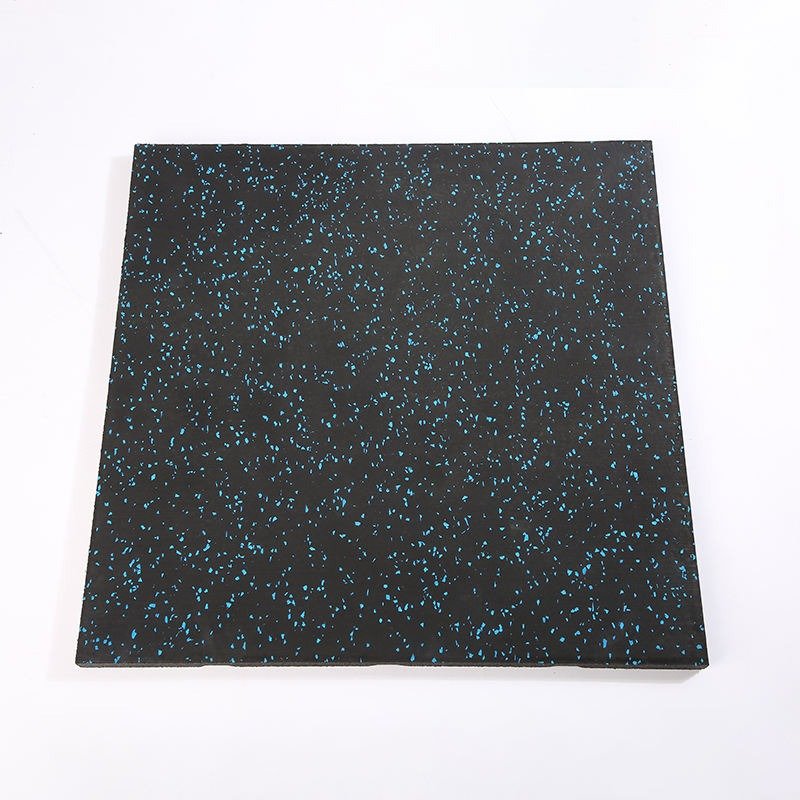
Regional Market Insights: The Middle East
The Middle East has emerged as a hotspot for sports infrastructure development. With major events like the FIFA World Cup and various Asian Games, governments are investing heavily in stadiums, training centers, and community sports halls. This has created a surge in demand for sports floor middle east suppliers.
Key requirements in this region include heat resistance, UV stability, and sand-resistant surfaces. Floors must perform reliably in extreme temperatures and arid conditions. Many manufacturers are now offering specialized products with enhanced thermal stability and anti-static properties to cater to this market.
Furthermore, local distributors often require rapid delivery and on-site technical support. Building strong partnerships with regional agents is essential for any sports flooring company aiming to succeed in the Middle East.
The Role of Quality Control and Certification
International Standards
Reputable sports flooring manufacturers adhere to rigorous standards such as EN 14904 (Europe), DIN 18032 (Germany), and ASTM F2157 (USA). These standards cover shock absorption, vertical deformation, ball rebound, and slip resistance. Regular third-party testing ensures compliance and builds trust with customers.
In-House Testing Facilities
Leading manufacturers maintain in-house laboratories equipped with impact testers, friction meters, and environmental chambers. This allows them to simulate years of usage in a matter of weeks, identifying potential weaknesses before products reach the market.
Traceability and Batch Records
Full traceability from raw material to finished product is now a baseline requirement. Batch records allow manufacturers to quickly isolate and address any quality issues. This is especially important for large-scale projects where multiple production runs are involved.
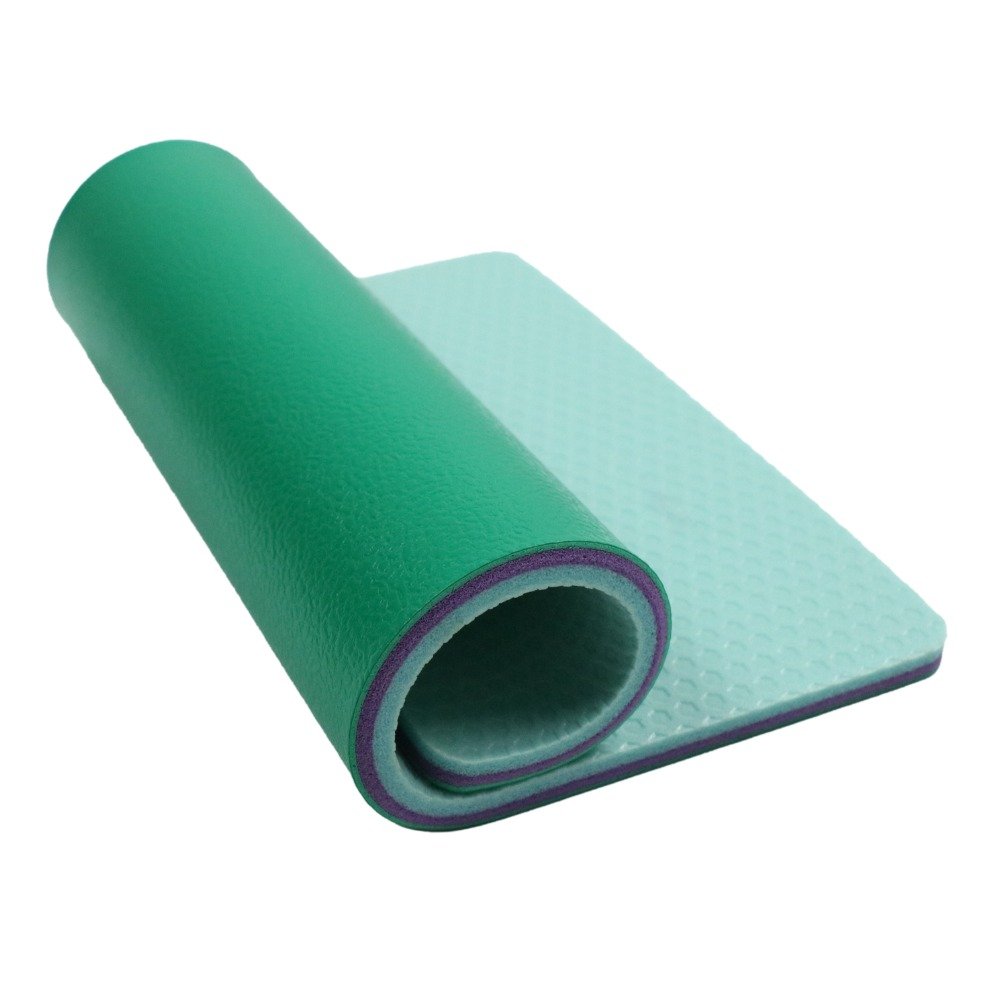
Why Choose a Professional Sports Flooring Company?
Selecting the right partner is crucial for project success. A professional sports flooring company offers more than just products—they provide expertise, installation guidance, and after-sales support. They understand that each facility has unique acoustics, subfloor conditions, and usage patterns.
Moreover, experienced companies stay ahead of trends. They invest in R&D to develop lighter, stronger, and more sustainable materials. They also offer comprehensive warranties that cover both material defects and installation workmanship.
Final Thoughts
The sports flooring industry is evolving rapidly. Sustainability, smart technology, and regional customization are reshaping the market. At the same time, production challenges—from material sourcing to installation—require precision and expertise. Whether you are a facility manager, architect, or distributor, staying informed about these trends and working with a reliable manufacturer will ensure long-term success.
As demand grows in regions like the Middle East and Asia, the need for high-quality, durable, and aesthetically pleasing sports flooring will only increase. By embracing innovation and maintaining strict quality control, the industry is well-positioned to meet these challenges head-on.
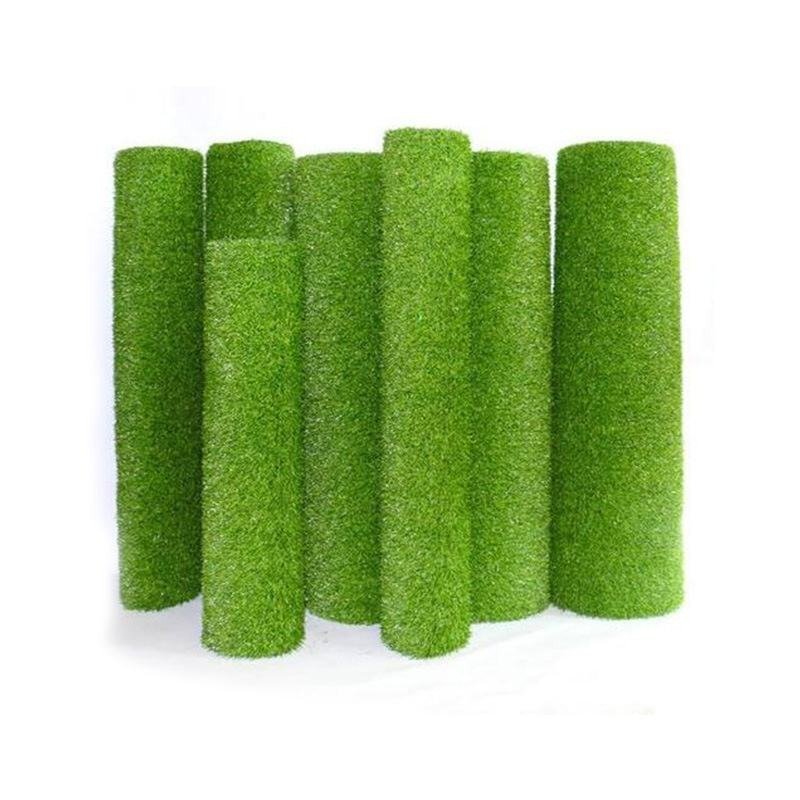
Company Introduction
RunsureFloor Company Profile
For many years, we have been at the forefront of the sports flooring industry. Our state-of-the-art production facilities consistently ensure product quality, while our experienced team provides unparalleled technical support. We have extensive global export experience and a strong market position in Asia, Europe, and the Americas.
Quality Control and Global Supply
Our rigorous quality control processes ensure that every batch of sports flooring meets standards. We work closely with our customers to ensure timely delivery and price stability, placing customer needs above market trends. Our commitment to customer satisfaction is reflected in our long-term partnerships with our clients, such as our decade-long collaboration with one of the world’s largest companies.
Conclusion
Whether you are upgrading an existing court or building a new sports complex, understanding the production process and emerging trends is essential. From sustainable materials to smart technologies, the future of sports flooring promises greater performance, safety, and design flexibility. By partnering with a trusted sports flooring company like RunsureFloor, you can ensure that your project benefits from industry-leading expertise, reliable supply chains, and uncompromising quality. As the global market continues to expand, staying ahead of these trends will be the key to success—both for manufacturers and their clients.