
Introduction
The global fitness industry is booming, with millions of people flocking to gyms, studios, and clubs every day to pursue their health and wellness goals. Behind every successful fitness facility lies a carefully curated selection of equipment that enables members to train effectively and safely. For gym owners, facility managers, and entrepreneurs looking to open a new fitness center, understanding the equipment supply chain is essential. Where do most gyms source their machines? What role do distributors play? And which brands dominate the commercial fitness landscape? This comprehensive guide answers these critical questions and provides actionable insights for anyone involved in the fitness equipment industry.

Where Do Most Gyms Get Their Equipment?
Most gyms acquire their fitness equipment through three primary channels: direct manufacturer purchases, authorized distributors, and certified used equipment dealers. Each channel serves different needs based on budget, scale, and specific requirements.
Direct Manufacturer Purchases
Large chain gyms and well-funded boutique studios often purchase directly from manufacturers. This approach allows them to access the latest models, negotiate bulk discounts, and establish long-term service agreements. Major brands like Life Fitness, Precor, Matrix, and Technogym have dedicated commercial sales teams that work directly with large fitness organizations. Direct purchases are ideal for facilities that need customized solutions, such as branded equipment colors, specific software integrations, or tailored maintenance packages.
Authorized Distributors
This is the most common channel for most independent gyms and smaller facilities. Fitness equipment distributors act as intermediaries between manufacturers and end-users. They purchase equipment in bulk from manufacturers and then sell to gyms, often providing additional services such as installation, maintenance, and financing. Distributors typically carry multiple brands, giving gym owners the flexibility to choose equipment from different manufacturers while dealing with a single point of contact. This one-stop-shop approach simplifies the procurement process significantly.

Certified Used Equipment Dealers
Many gyms, especially budget-conscious startups and community centers, turn to certified used equipment dealers. These businesses refurbish and resell equipment from gyms that have upgraded or closed down. While this option reduces upfront costs, buyers must carefully verify the quality and warranty coverage. Reputable dealers thoroughly inspect, repair, and test used equipment to ensure it meets safety and performance standards.
Online Marketplaces and Auctions
Less commonly, some gym owners purchase equipment through online marketplaces like eBay, Craigslist, or specialized fitness equipment auction sites. This approach carries higher risks, as there is limited quality assurance and no after-sales support. However, it can yield significant bargains for savvy buyers willing to take on the risks.
What Is a Fitness Equipment Distributor?
A fitness equipment distributor is a company that purchases gym equipment in bulk directly from manufacturers and resells it to fitness facilities, corporate wellness centers, hotels, schools, and individual consumers. Distributors play a vital role in the fitness supply chain by bridging the gap between mass production and localized demand.

The Core Functions of a Fitness Equipment Distributor
Inventory Management: Distributors maintain large warehouses stocked with a wide variety of equipment, allowing gym owners to receive their orders quickly without waiting for overseas shipping.
Brand Portfolio: A reputable distributor carries products from multiple brands, offering clients the ability to compare and select the best equipment for their needs. For example, a distributor might offer treadmills from Life Fitness, strength equipment from Hammer Strength, and bikes from Schwinn—all under one roof.
Value-Added Services: Beyond selling equipment, distributors often provide professional consultation, space planning, installation, staff training, and ongoing maintenance. These services are invaluable for gym owners who lack in-house technical expertise.
Financing Options: Many distributors offer leasing and financing programs, making it more accessible for startups and expanding businesses to acquire high-quality equipment without large upfront capital investments.
After-Sales Support: A good distributor provides warranty service, replacement parts, and technical support, ensuring that equipment remains operational for years.
Why Choose a Distributor Over Direct Purchase?
For most independent gym owners, working with a distributor is more practical than buying directly from manufacturers. Distributors offer flexible ordering quantities, faster delivery times, and consolidated purchasing—meaning you can order cardio machines from one brand and strength equipment from another in a single transaction. Additionally, distributors often have established relationships with multiple GYM Manufacturer partners, allowing them to negotiate competitive pricing that benefits the end-user.
What Are the Two Most Important Considerations When Selecting a Fitness Facility?
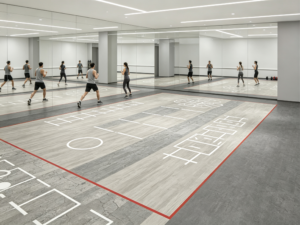
When selecting or designing a Fitness Studio or GYM CLUB, equipment is only one piece of the puzzle. The two most important considerations for any fitness facility are space utilization and member experience.
What Are the Two Most Important Considerations When Selecting a Fitness Facility?
1. Space Utilization
Effective space utilization is the foundation of a successful gym layout. Every square foot must contribute to the member experience and operational efficiency. Poorly planned layouts lead to overcrowding, safety hazards, and equipment that goes unused because it is poorly positioned.
Key aspects of space utilization include:
Traffic Flow: Members should be able to move freely between different zones—cardio, strength, stretching, and functional training areas—without congestion.
Equipment Density: Too much equipment makes the space feel cramped; too little leaves revenue-generating potential untapped. The right balance depends on peak usage hours and member demographics.
Clearance Zones: Proper spacing around equipment ensures safety and accessibility. For example, treadmills require a clear area behind them for emergency dismounts.
Flexibility: Multi-purpose areas that can host classes, personal training, or open workouts add versatility to the facility.
A professional space planning consultation, often provided by fitness equipment distributors or manufacturers, can help optimize this balance.
2. Member Experience
Member experience is the single most important driver of retention, referrals, and revenue. Even the most expensive gym equipment will fail to deliver results if members do not enjoy using it. A positive member experience encompasses several factors:
Equipment Variety: Offering a mix of cardio machines, strength training stations, free weights, and functional training tools ensures that members with different goals find what they need.
Equipment Quality and Maintenance: Reliable, well-maintained equipment reduces downtime and prevents safety incidents. Members expect machines that work smoothly and are cleaned regularly.
Atmosphere and Aesthetics: Lighting, music, cleanliness, and overall ambiance significantly impact how members feel during their workouts. A well-designed space motivates and inspires.
Staff Support and Expertise: Friendly, knowledgeable staff who can assist with equipment usage and offer workout advice enhance the overall experience.
Community Engagement: Creating a sense of community through events, challenges, and social spaces encourages members to stay engaged and loyal.
What Brand Do Most Gyms Use?
The commercial fitness equipment market is dominated by several well-established brands, each with strengths in specific categories. However, the most widely used brand across all categories is Life Fitness, followed closely by Precor and Matrix.
Life Fitness
Life Fitness is arguably the most recognized name in commercial fitness equipment. The brand is synonymous with durability, innovation, and user-friendly design. Their treadmills, ellipticals, and stationary bikes are staples in gyms worldwide. Life Fitness’s extensive network of service technicians ensures that any issues are resolved quickly, which is critical for high-traffic facilities.
Precor
Precor is a close competitor, particularly known for its elliptical machines and adaptive motion technology. Precor equipment is prized for its natural-feeling movements and biomechanically correct design, making it a favorite among serious athletes and older adults alike. Many upscale GYM CLUB facilities prefer Precor for its premium aesthetic and smooth performance.
Matrix
Matrix has gained significant market share in recent years by offering commercial-grade equipment at competitive price points. Their sleek, modern designs appeal to boutique studios and mid-tier gyms. Matrix is particularly strong in cardio equipment and functional training rigs.
Other Notable Brands
Technogym: Italian-made luxury equipment favored by high-end hotels, professional sports teams, and exclusive clubs.
Hammer Strength: The gold standard for plate-loaded strength equipment, widely used in serious strength-training facilities.
Cybex: Known for its strength training machines and cardiovascular equipment, Cybex is a common choice for rehab and sports performance centers.
StairMaster: Legendary for its stair-climbing machines, StairMaster remains a cardio staple.
What About Boutique Studios?
Boutique Fitness Studio environments often diverge from the mainstream. Specialty studios like spin, rowing, or Pilates facilities typically use niche brands that cater specifically to their discipline. For example, Peloton dominates indoor cycling studios, while WaterRower and Concept2 are favorites in rowing-focused facilities.
The Gettinglong Approach
As a trusted GYM Manufacturer, Gettinglong understands that gym owners need equipment that balances durability, aesthetics, and affordability. Our products are designed to meet the rigorous demands of commercial use while offering competitive pricing that makes high-quality equipment accessible to a broader range of facilities. We work closely with distributors and facility owners to deliver customized solutions that enhance the member experience.
Key Factors to Evaluate When Choosing a Gym Equipment Brand
When selecting equipment for your facility, consider the following criteria beyond brand recognition:
Durability and Warranty: Commercial equipment must withstand heavy daily use. Look for brands that offer comprehensive warranties on frames, parts, and labor.
Service and Support: Quick access to replacement parts and repair technicians is essential. Some brands have better service networks than others.
User Experience: Try the equipment yourself or gather feedback from current users. Intuitive consoles, comfortable seating, and smooth mechanics make a difference.
Price and Financing: Initial cost is important, but also consider long-term value, resale potential, and available financing options.
Aesthetic Appeal: Equipment that looks good enhances the overall environment of your facility and attracts members.
Sustainability and Innovation in Fitness Equipment
Sustainability is becoming an increasingly important consideration for gym owners and fitness equipment manufacturers. Brands are now developing eco-friendly products using recycled materials, energy-efficient motors, and sustainable manufacturing processes. Additionally, technology integration—such as connected fitness, AI-powered coaching, and performance tracking—is reshaping how members interact with equipment. Staying ahead of these trends ensures your facility remains competitive and appealing to modern fitness enthusiasts.
Conclusion
Sourcing the right fitness equipment is a multifaceted decision that involves understanding distribution channels, evaluating brands, and prioritizing space utilization and member experience. Whether you are opening a new Fitness Studio, managing a large GYM CLUB, or expanding an existing facility, choosing the right equipment and partners is critical to your success. The most successful gyms combine high-quality equipment with thoughtful facility design and a member-focused culture. By partnering with experienced manufacturers and distributors, you can build a facility that inspires and retains members for years to come.
Gettinglong Company Background
For many years, we have been at the forefront of the fitness equipment industry. Our state-of-the-art manufacturing facilities have always ensured production quality, while our experienced team provides unparalleled technical support. We have a proven track record of exporting products worldwide, with a strong presence in Asia, Europe and America.
Quality Control and Global Supply
Our stringent quality control process ensures that every batch of fitness equipment meets standards. We work closely with our customers to ensure timely delivery and stable pricing, positioning their needs above market trends. Our dedication to customer satisfaction is reflected in our long-term partnerships, such as our decade-long partnership with one of the largest companies in the world. When you choose Gettinglong, you are choosing reliability, innovation, and a partner committed to elevating your fitness facility to the highest standards. Contact us today to learn how we can support your equipment needs.