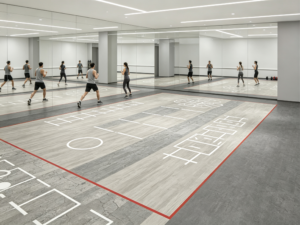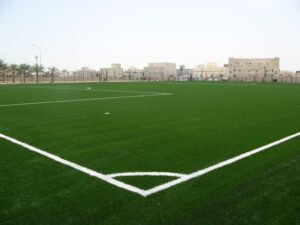

The sports flooring sector is no longer just about providing a flat, durable surface for athletes. Today, it is a sophisticated intersection of material science, environmental responsibility, and digital innovation. As we move through 2026, the industry is being reshaped by forces that demand manufacturers rethink everything from raw material sourcing to end-of-life recyclability. For facility owners, architects, and distributors, staying ahead of these trends is not optional—it is essential for making informed, future-proof investments.
This comprehensive article explores the most impactful trends currently influencing sports flooring production worldwide. We will examine how sustainability mandates, smart technologies, advanced material formulations, and regional market characteristics are redefining what a modern sports floor should be. Whether you are planning a new multi-purpose arena or upgrading a school gymnasium, understanding these developments will help you choose solutions that deliver performance, durability, and long-term value.
1. The Circular Economy Revolution
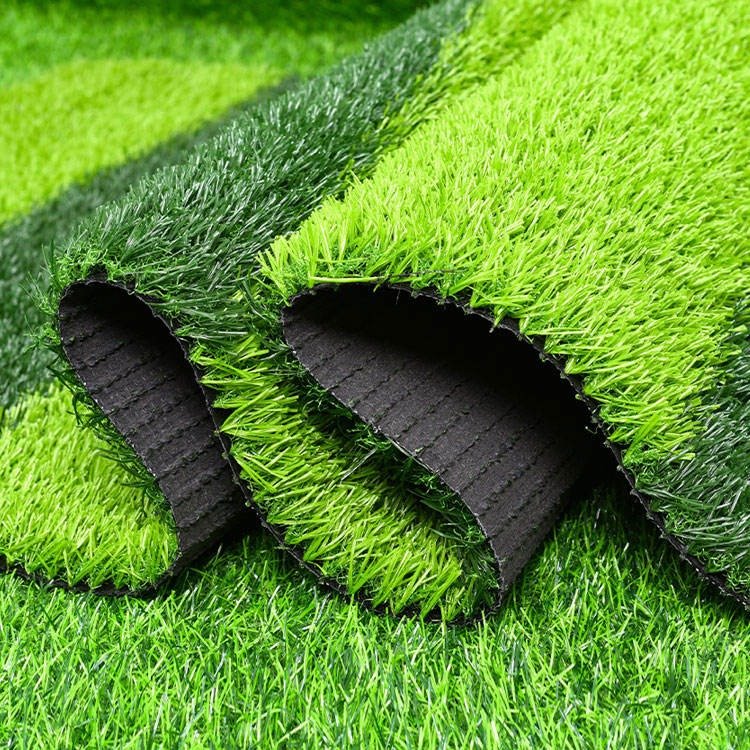
The most profound shift in sports flooring manufacturing is the wholesale adoption of circular economy principles. This goes far beyond simple recycling. It represents a fundamental change in how products are designed, produced, and eventually reclaimed. Leading sports flooring manufacturers are now engineering their systems with “design for disassembly” in mind, meaning that at the end of a floor’s useful life, its components can be easily separated and repurposed rather than sent to landfill.
Bio-based materials are gaining significant traction. Manufacturers are increasingly incorporating natural fillers, plant-based polyols, and renewable raw materials into their formulations. This reduces dependence on fossil fuels and lowers the carbon footprint of production. Simultaneously, closed-loop water systems and energy-efficient curing processes are becoming standard in modern factories, drastically reducing resource consumption per square meter of sports flooring produced.
This trend is being driven by both regulatory pressure and market demand. In Europe and North America, strict environmental regulations are pushing manufacturers to provide full life-cycle assessments for their products. Meanwhile, end-users—from school boards to professional sports franchises—are actively seeking out green building certifications like LEED and BREEAM, which reward the use of sustainable sports floor systems. The message is clear: sustainability is now a baseline requirement, not a premium add-on.
2. Intelligent Flooring Systems
The digitization of sports infrastructure is perhaps the most exciting frontier. We are witnessing the emergence of “intelligent” sports flooring embedded with sensor networks that transform passive surfaces into active data-collection platforms. These systems utilize thin, flexible pressure sensors, accelerometers, and even RFID tags integrated during the manufacturing process.
The applications are groundbreaking. For coaches and sports scientists, these smart floors provide real-time data on athlete movement patterns, foot strike distribution, and impact forces. This information is invaluable for optimizing training regimens, preventing overuse injuries, and identifying biomechanical inefficiencies. For facility managers, the sensors continuously monitor wear and tear, vibration dampening, and surface friction. This enables predictive maintenance, allowing repairs or replacements to be scheduled during planned downtime, thus avoiding costly emergency closures and extending the overall lifespan of the sports floor.
Furthermore, this technology is becoming more affordable and robust. Early iterations were fragile and expensive, limiting them to elite research settings. However, advances in durable, flexible electronics have made smart flooring commercially viable for a wider range of applications, from university training centers to high-end commercial fitness facilities. The ability to offer data-driven performance insights is quickly becoming a key differentiator for premium sports flooring company offerings.
3. Advanced Materials for Superior Performance
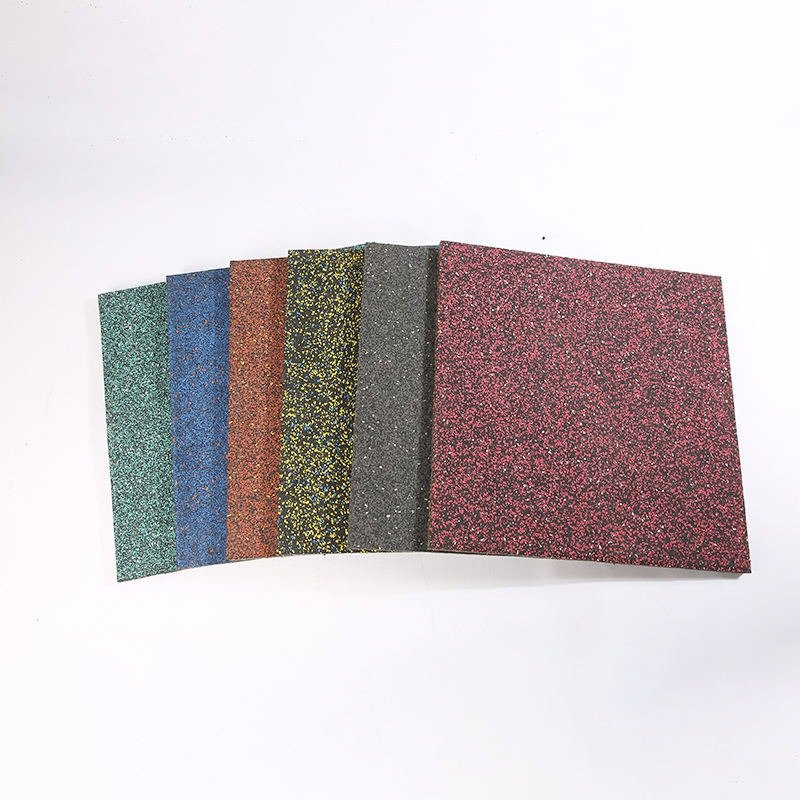
While technology and sustainability capture headlines, the fundamental performance of a sports floor remains its most critical attribute. Continuous research and development in polymer chemistry are yielding materials with unprecedented characteristics. Polyurethane and advanced rubber composites are being engineered at the molecular level to provide the ideal balance of shock absorption, energy return, and slip resistance.
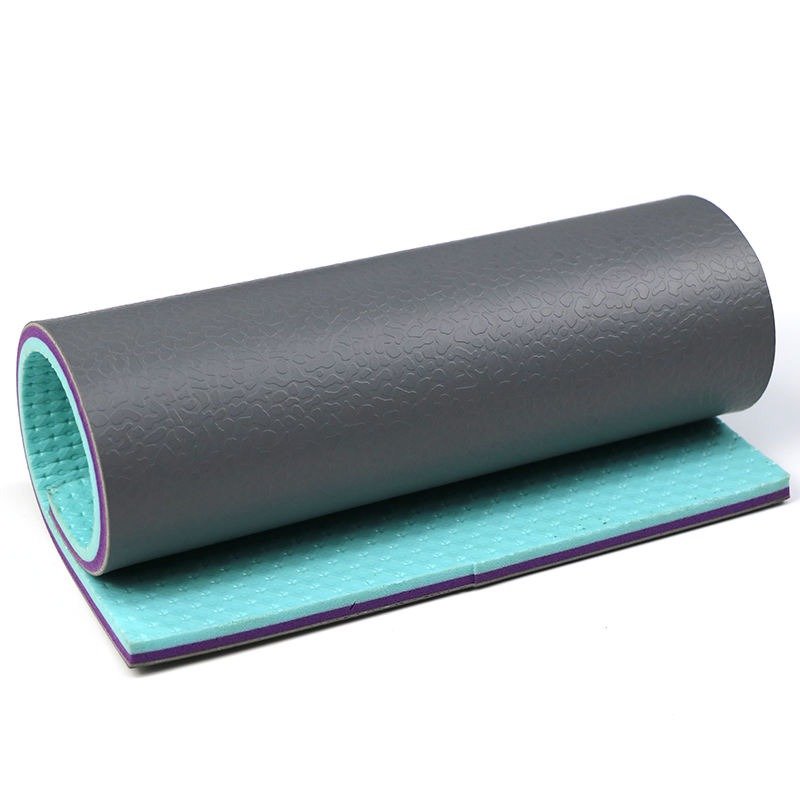
One major focus is on force reduction and shock absorption. Modern sports floor systems are now capable of dissipating impact forces more effectively than ever before, significantly reducing the risk of stress fractures, joint injuries, and lower back pain in athletes. This is achieved through sophisticated multilayer constructions, where the top wear layer, middle cushioning layer, and bottom stabilizing layer each serve a specific functional purpose.
Another key area is surface friction and ball response. Manufacturers are developing new textured surfaces and coatings that provide consistent grip across different sports and levels of play. This versatility is crucial for multi-use venues that host basketball, volleyball, badminton, and futsal events. The new generation of sports floor mats and roll-out vinyl systems now boast performance characteristics that rival traditional wooden courts, but with easier maintenance and quicker installation.
Even seemingly simple accessories are benefiting from material science. Modern sports floor tape is now manufactured with high-tack, residue-free adhesives and durable, scuff-resistant surfaces. This allows for safe and reliable temporary court markings for tournaments and training sessions, supporting the trend of modular, adaptable spaces.
4. Modularization and Rapid Deployment
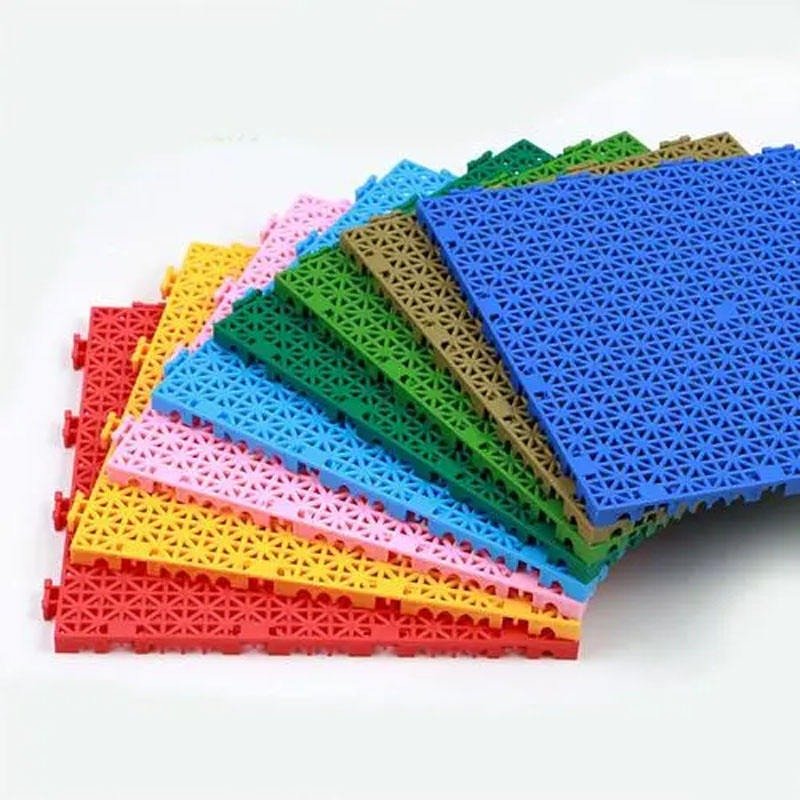
The pace of modern life demands flexibility, and the sports flooring industry is responding with a surge in modular and interlocking systems. Traditional poured-in-place or glue-down floors require significant installation time, curing periods, and often specialist labor. In contrast, today’s modular systems are designed for rapid, tool-free assembly.
These systems typically feature precise tongue-and-groove or click-lock mechanisms that allow the sports floor to be laid directly over existing, flat subfloors. This not only reduces installation time by up to 70% but also minimizes disruption to building operations. For schools, community centers, and sports halls with tight schedules, this is a game-changer.
Moreover, modularity enhances versatility. These floors can be easily taken up, moved to a different location, or reconfigured to change court layouts. This is particularly valuable in regions with rapidly developing infrastructure, where venues may need to adapt to changing user demands. The rise of modular systems is also driving innovation in sports floor tape and transition strips, as these ancillary products must now work seamlessly with interlocking panels to ensure safe, flush joints.

5. Regional Market Characteristics and Global Supply
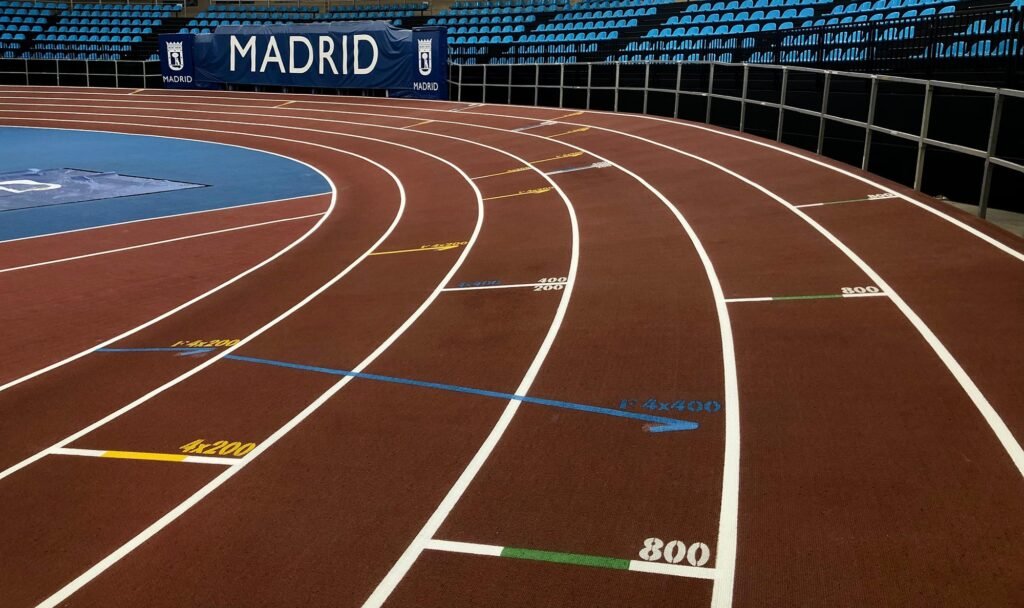
Understanding regional nuances is vital for any sports flooring company operating on a global scale. The sports flooring Middle East market, for instance, is characterized by a strong preference for luxury aesthetics and turnkey solutions. Mega-projects in the region demand highly customized floors with intricate designs, custom colors, and embedded logos. There is also a growing demand for floors that can be swiftly converted between different sports, as many venues host a packed calendar of diverse events.
In contrast, the North American market places heavy emphasis on compliance with established performance standards (like those from ASTM and FIBA) and long-term durability. Schools and municipal facilities often prioritize lifecycle cost over initial purchase price, looking for floors that can withstand heavy daily use with minimal maintenance.
The Asia-Pacific region represents a massive growth opportunity, driven by urbanization and increasing sports participation. Here, cost-competitiveness and rapid delivery are critical, alongside performance. This diversity of demand places a premium on supply chain resilience and the ability to adapt products to local market preferences.
Furthermore, global logistics have become a strategic consideration. Ensuring timely delivery and price stability in the face of fluctuating shipping costs and geopolitical uncertainties is a key challenge. The most successful sports flooring manufacturers are those that invest in robust supply chains and maintain open, transparent communication with their clients.
RunsureFloor: Your Trusted Partner in a Changing Industry
In a landscape defined by rapid technological change and diverse global demands, choosing the right manufacturing partner is more important than ever. RunsureFloor stands ready to meet these challenges with a blend of experience, innovation, and unwavering commitment to quality.
RunsureFloor Company Profile
For many years, we have been at the forefront of the sports flooring industry. Our state-of-the-art production facilities consistently ensure product quality, while our experienced team provides unparalleled technical support. We have extensive global export experience and a strong market position in Asia, Europe, and the Americas.
Quality Control and Global Supply
Our rigorous quality control processes ensure that every batch of sports flooring meets standards. We work closely with our customers to ensure timely delivery and price stability, placing customer needs above market trends. Our commitment to customer satisfaction is reflected in our long-term partnerships with our clients, such as our decade-long collaboration with one of the world’s largest companies.
Whether you are seeking high-performance solutions for a professional arena or versatile, sustainable options for a community facility, RunsureFloor offers the expertise and product range to meet your needs. We are not just a supplier; we are a dedicated partner committed to your success. Contact us today to discover how our sports floor systems can elevate your next project.
This article is provided for informational purposes and reflects current industry observations. For specific product recommendations and technical advice, please consult with RunsureFloor’s professional team.