Selecting the right sports flooring is one of the most important decisions a facility owner, school administrator, or contractor will make. The surface you choose affects athlete safety, performance, maintenance costs, and the long-term value of your investment. Yet with so many options available—from rolled vinyl to modular tiles, from natural wood to synthetic rubber—the decision can feel overwhelming. This guide breaks down the essential factors you need to consider when evaluating sports floor solutions for any type of venue.

Understanding the Main Categories of Sports Flooring
The market offers several distinct categories of sports flooring, each with unique characteristics suited to different applications. Knowing the differences is the first step toward making a smart choice.
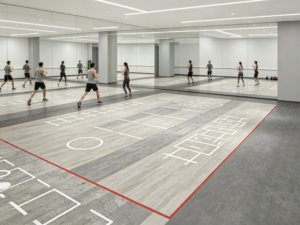
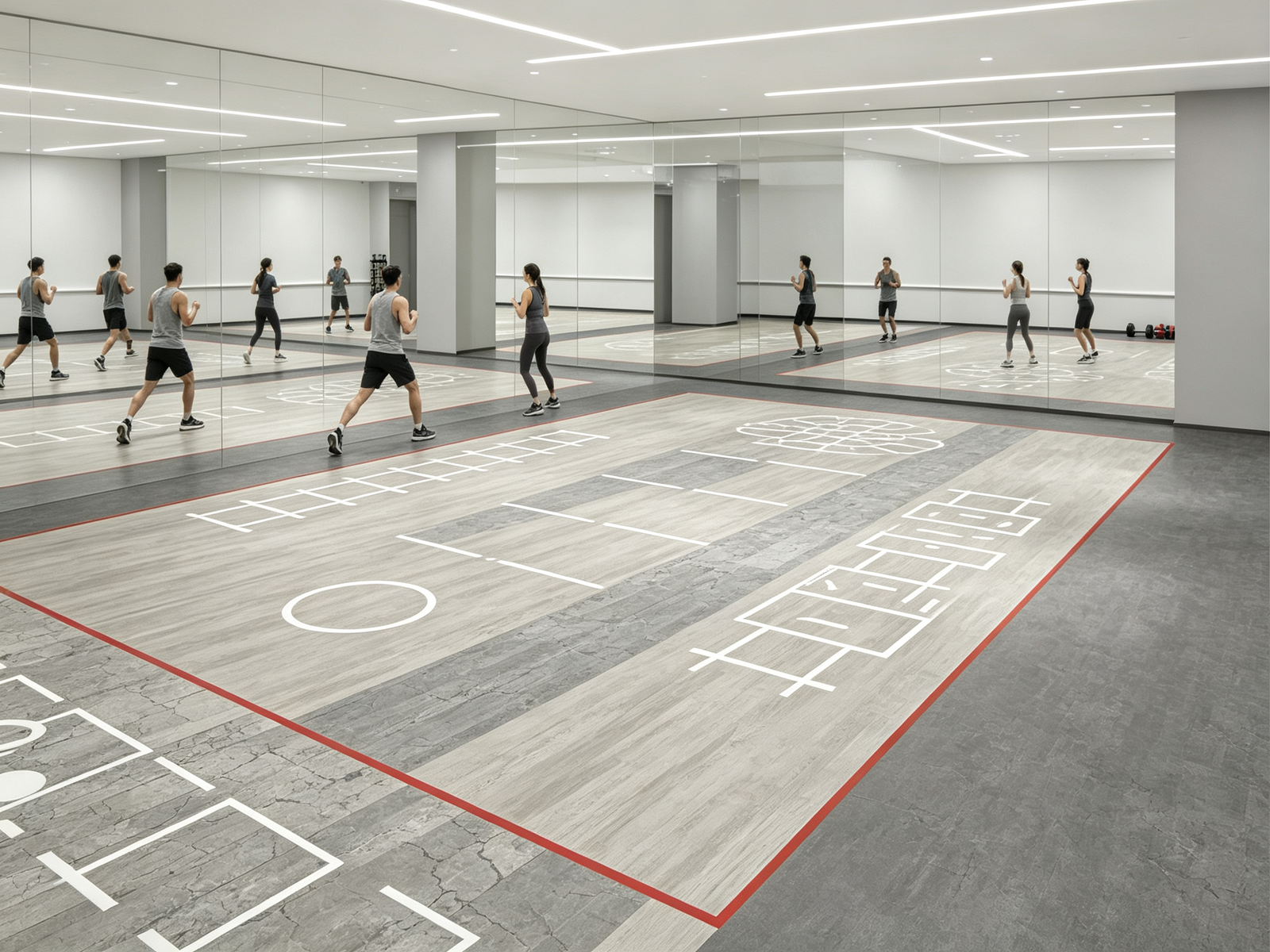
Vinyl sports flooring has become the most popular option for multi-purpose indoor facilities. It offers excellent shock absorption, consistent ball bounce, and easy maintenance. Modern vinyl products can mimic the look of hardwood while providing superior durability and moisture resistance.
Modular tile systems represent another major category. These interlocking tiles are ideal for facilities that need rapid installation or the ability to reconfigure spaces. They are particularly popular in sports floor mats applications where portability and quick setup are priorities.
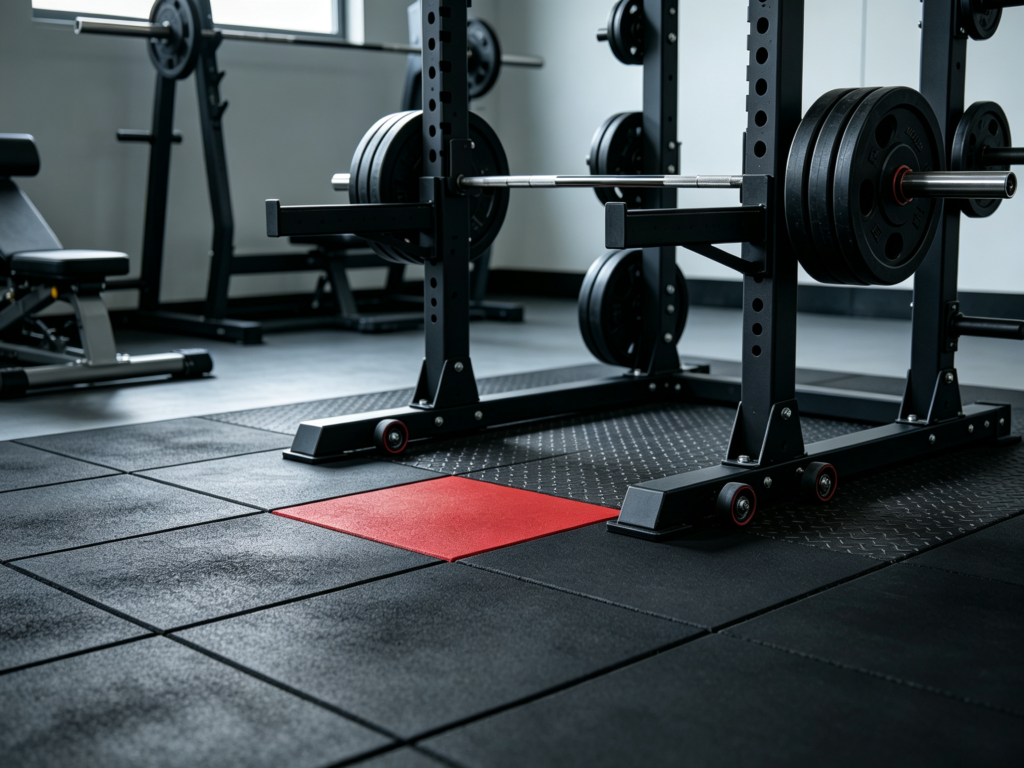
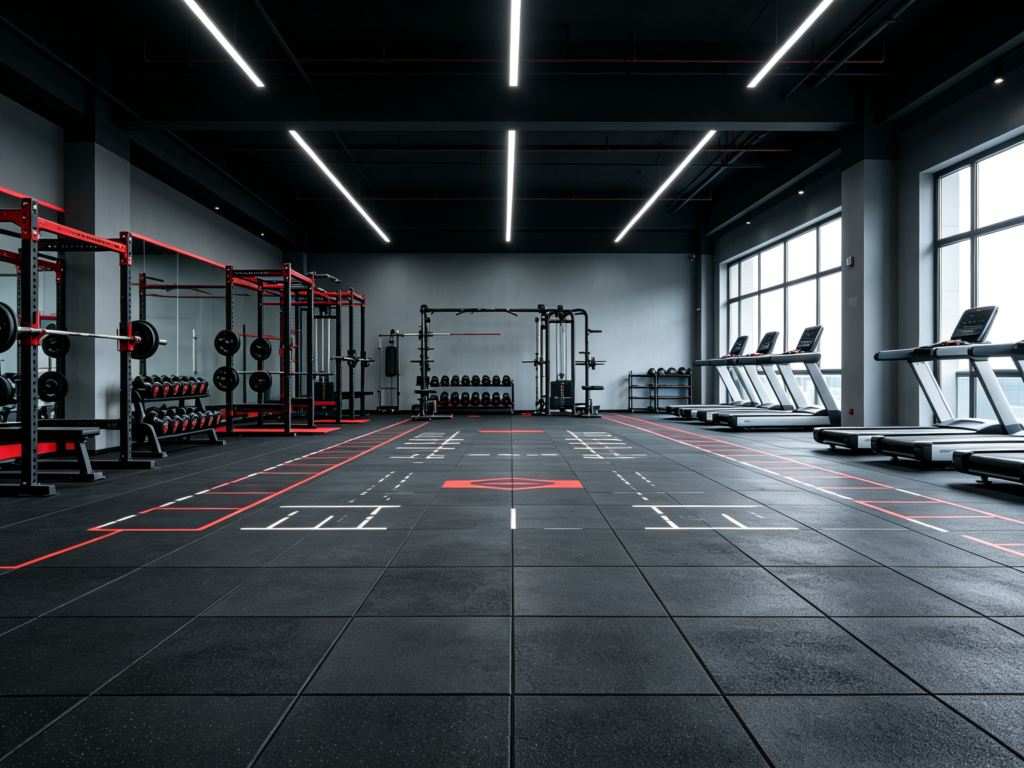
Rubber flooring remains the standard for weight rooms, fitness centers, and outdoor applications. Its superior impact resistance and slip resistance make it ideal for high-intensity training environments.
Wood flooring continues to dominate professional basketball courts and high-level competition venues, offering the classic aesthetic and performance characteristics that athletes expect.

Key Performance Criteria to Evaluate
When comparing sports flooring options, you should evaluate several critical performance criteria. These factors directly impact athlete safety and facility usability.
Shock absorption is perhaps the most important safety consideration. A quality sports floor must absorb impact forces to reduce stress on athletes’ joints and lower the risk of injury. Industry standards typically require shock absorption rates between 25% and 45%, depending on the sport and level of competition.
Vertical deformation measures how much the floor deflects under load. This property affects both safety and performance—too much deformation can cause instability, while too little can increase impact forces.
Ball bounce consistency is critical for sports like basketball and volleyball. A quality sports flooring surface should provide uniform bounce across the entire playing area, with no dead spots or inconsistencies.
Slip resistance must be carefully balanced. Surfaces that are too slippery create fall hazards, while surfaces with excessive friction can cause joint strain and increase the risk of ankle and knee injuries.
The Importance of Installation Accessories
Even the best sports flooring can underperform if installation accessories are inadequate. Two items deserve particular attention: sports floor tape and adhesives.
Sports floor tape serves multiple critical functions. It marks court boundaries, provides visual guidance for athletes, and can be used to secure seams and transitions. Quality tape must adhere firmly, resist wear from foot traffic and equipment, and remove cleanly when replacement is needed. Low-quality tape can leave residue, create tripping hazards, or fail prematurely, undermining the entire flooring system.
Adhesives and seam sealers are equally important. They must be compatible with the flooring material, provide strong bonding, and resist moisture migration. In facilities where indoor air quality is a concern, low-VOC formulations are increasingly specified.

Regional Considerations: The Middle East Market
The sports floor middle east market presents unique challenges and opportunities. Extreme temperatures, high humidity in coastal areas, and intense sunlight create conditions that demand specially formulated products.
Facilities in the region often require sports flooring that can withstand temperature fluctuations without warping, expanding, or degrading. UV stability is essential for outdoor and semi-outdoor applications. Additionally, the rapid pace of construction in many Middle Eastern countries means that sports flooring manufacturers must be able to deliver products quickly and provide reliable technical support during installation.
The sports floor middle east market has also embraced premium aesthetics. Facility owners increasingly seek surfaces that combine high performance with attractive designs that reflect modern architectural standards.
Working with the Right Manufacturing Partner
The quality of your sports flooring depends heavily on your choice of supplier. Not all sports flooring manufacturers operate at the same level. Here are factors to consider when evaluating potential partners.
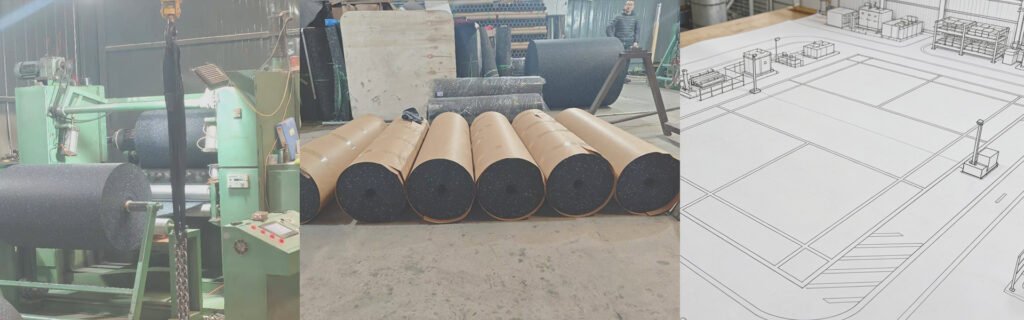
Production capability and consistency matter enormously. A sports flooring company with modern, well-maintained production facilities can deliver consistent quality batch after batch. This consistency is essential for large projects where multiple rolls or tiles must perform identically.
Technical support distinguishes exceptional suppliers from average ones. The best manufacturers provide installation guidance, moisture testing protocols, and troubleshooting assistance. They understand that proper installation is as important as product quality.
Global experience is another valuable indicator. Manufacturers who have successfully supplied projects across different climates and regulatory environments have developed the expertise to handle diverse challenges.
Maintenance and Longevity Considerations
Your sports flooring investment should deliver value for many years. Proper maintenance is essential to achieving this goal.
Regular cleaning removes dirt and debris that can abrade the surface and reduce performance. Different flooring types require different cleaning methods—vinyl typically needs damp mopping with appropriate cleaners, while rubber surfaces may require specialized treatments.
Periodic inspection helps identify wear patterns, seam separation, or surface damage before they become major problems. Prompt repairs using compatible materials extend the floor‘s service life significantly.
Reconditioning and refinishing can restore performance to worn surfaces. Many sports flooring systems can be rejuvenated with surface treatments that renew slip resistance and appearance.
Making the Final Decision
Choosing the right sports flooring requires balancing multiple factors: performance requirements, budget constraints, maintenance capabilities, and long-term value. The best approach is to work with experienced suppliers who can provide objective guidance based on your specific needs.
Consider the primary activities your facility will host, the level of competition, the number of users, and your maintenance resources. These factors will point you toward the most appropriate sports flooring solution.
RunsureFloor Company Profile
For many years, we have been at the forefront of the sports flooring industry. Our state-of-the-art production facilities consistently ensure product quality, while our experienced team provides unparalleled technical support. We have extensive global export experience and a strong market position in Asia, Europe, and the Americas.
Quality Control and Global Supply
Our rigorous quality control processes ensure that every batch of sports flooring meets standards. We work closely with our customers to ensure timely delivery and price stability, placing customer needs above market trends. Our commitment to customer satisfaction is reflected in our long-term partnerships with our clients, such as our decade-long collaboration with one of the world’s largest companies.