The global sports flooring industry is undergoing a significant transformation. Driven by advancements in material science, a heightened focus on athlete safety, and increasing environmental regulations, the way we manufacture and specify sports floor systems is evolving rapidly. For industry professionals—from sports flooring manufacturers to facility managers—staying ahead of these trends is no longer optional; it is essential for delivering high-performance, durable, and safe surfaces.
The Rise of Safety and Standardization
In recent years, the conversation around sports flooring has shifted dramatically from simple durability to comprehensive athlete protection. End-users are demanding floors that do more than just look good; they must actively reduce injury risk. This is where international standards play a crucial role.
Specifications like the European standard EN 14904 are becoming the global benchmark for indoor sports floor systems . These standards rigorously define requirements for shock absorption, vertical deformation, ball rebound, and surface friction. For sports flooring manufacturers, this means a move away from “good enough” production towards verifiable performance metrics. Manufacturing processes are being refined to ensure that every batch meets these strict criteria, guaranteeing that the sports floor mats and tiles we produce offer consistent traction and impact protection, which is vital for sports like basketball, volleyball, and badminton .
Furthermore, there is a growing focus on the chemical safety of materials. The days of using volatile organic compounds (VOCs) and harmful plasticizers are numbered . We are seeing increased scrutiny on the emissions from sports flooring, pushing the industry toward phthalate-free plasticizers and low-VOC adhesives. When installing a floor, the use of sports floor tape and adhesives must also align with these indoor air quality goals to ensure a safe environment for athletes and spectators alike.
Sustainability: From Niche to Necessity
Sustainability has moved from a marketing differentiator to a baseline requirement in product development. According to market research, the global sports flooring market is projected to grow significantly, and a key driver of this growth is the demand for eco-friendly solutions .
Modern buyers are looking for circular economy principles in their sports floor systems. They ask questions like: “Is this floor recyclable? Does it contain recycled content?” This is pushing sports flooring manufacturers to innovate with materials. We are seeing an increase in the use of bio-based plasticizers, recycled rubber, and PVC that can be repurposed at the end of its life. This trend is not just about being green; it’s about future-proofing products against tightening environmental regulations and meeting the procurement policies of public institutions and large corporations.
Modular Systems and Ease of Installation
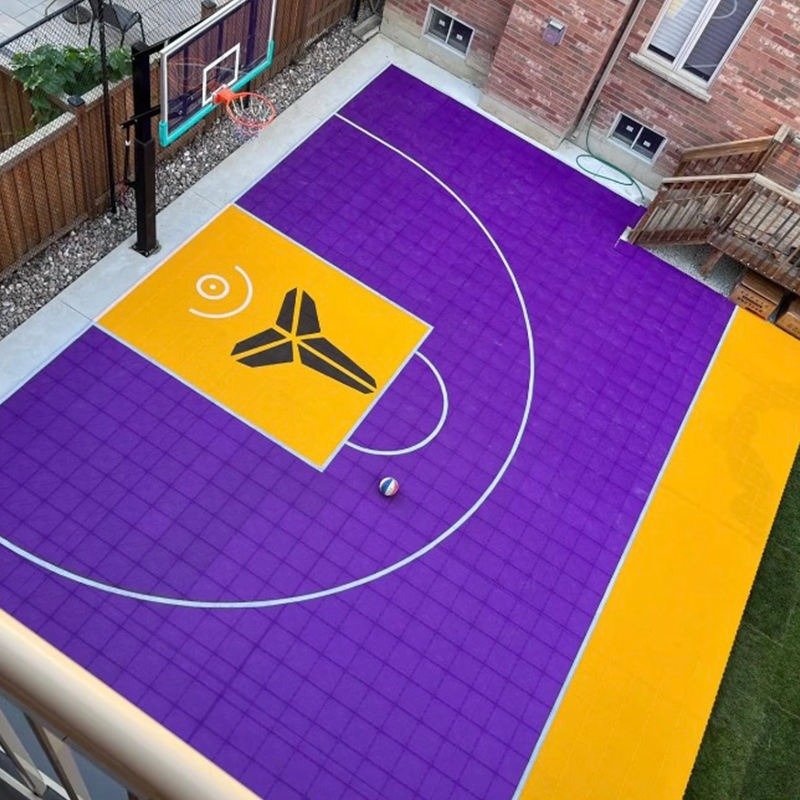
The industry is also seeing a shift in installation techniques. There is a growing preference for modular and interlocking sports flooring systems over traditional permanent installations . These modular sports floor mats and tiles offer immense benefits, particularly for multi-use facilities.
They allow for rapid installation and removal, minimizing facility downtime and allowing for flexible use of spaces. For instance, an arena can host a basketball game one day and a concert the next with a quick floor change. This trend benefits the aftermarket, as specialized sports floor tape is often used for line marking on these modular systems, requiring tapes that can adhere securely but also be removed cleanly without damaging the surface.
Market Shifts and Global Demand
The geographical landscape of the sports flooring market is also shifting. The Asia-Pacific region is witnessing massive growth due to an increase in sports infrastructure investment . Meanwhile, regions like the Middle East are investing heavily in elite sporting facilities. As a sports flooring company with a global footprint, we recognize the unique demands of these markets. For instance, exporting to the sports floor middle east requires materials that can withstand extreme heat and sand abrasion, which informs our material selection and production technology.
Additionally, geopolitical factors like tariffs are reshaping supply chains. As reported by industry analysts, the imposition of tariffs in 2025 is encouraging manufacturers to diversify their production bases and invest in regional manufacturing to mitigate risk and offer price stability . This underscores the need for a resilient supply chain.
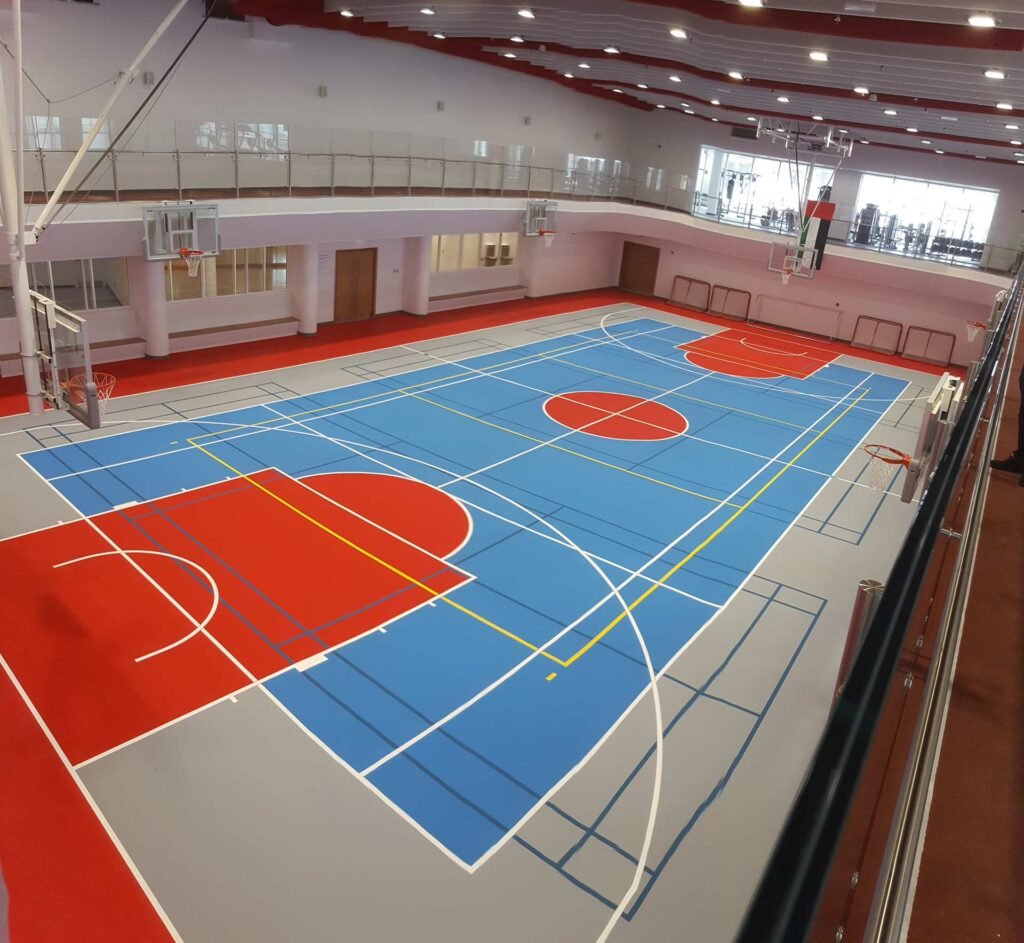
RunsureFloor: Your Partner in Quality Sports Flooring
At RunsureFloor, we are not just observers of these trends; we are active participants shaping the future of the industry. For many years, we have been at the forefront of the sports flooring industry. Our state-of-the-art production facilities consistently ensure product quality, while our experienced team provides unparalleled technical support. We have extensive global export experience and a strong market position in Asia, Europe, and the Americas.
Our rigorous quality control processes ensure that every batch of sports flooring meets standards. We work closely with our customers to ensure timely delivery and price stability, placing customer needs above market trends. Our commitment to customer satisfaction is reflected in our long-term partnerships with our clients, such as our decade-long collaboration with one of the world’s largest companies. Whether you require advanced sports floor systems for a professional stadium or durable sports floor mats for a training facility, RunsureFloor is dedicated to delivering excellence from our factory floor to yours.