The sports flooring industry is undergoing a remarkable transformation. Gone are the days when a simple wooden court or basic rubber mat sufficed for athletic competition. Today, the demand for high-performance, sustainable, and technologically advanced surfaces is reshaping how we design, manufacture, and install sports floors. From multi-purpose arenas to home gyms, the surfaces beneath athletes’ feet play a critical role in performance, safety, and injury prevention.
In this comprehensive guide, we will explore the most significant trends currently impacting the industry. We will delve into innovations in materials, installation techniques, and regional market developments. Additionally, we will highlight the key characteristics that define quality in sports flooring, helping you make informed decisions for your next project. Whether you are a facility manager, a sports club owner, or an architect, understanding these trends is essential to staying ahead in this dynamic market.
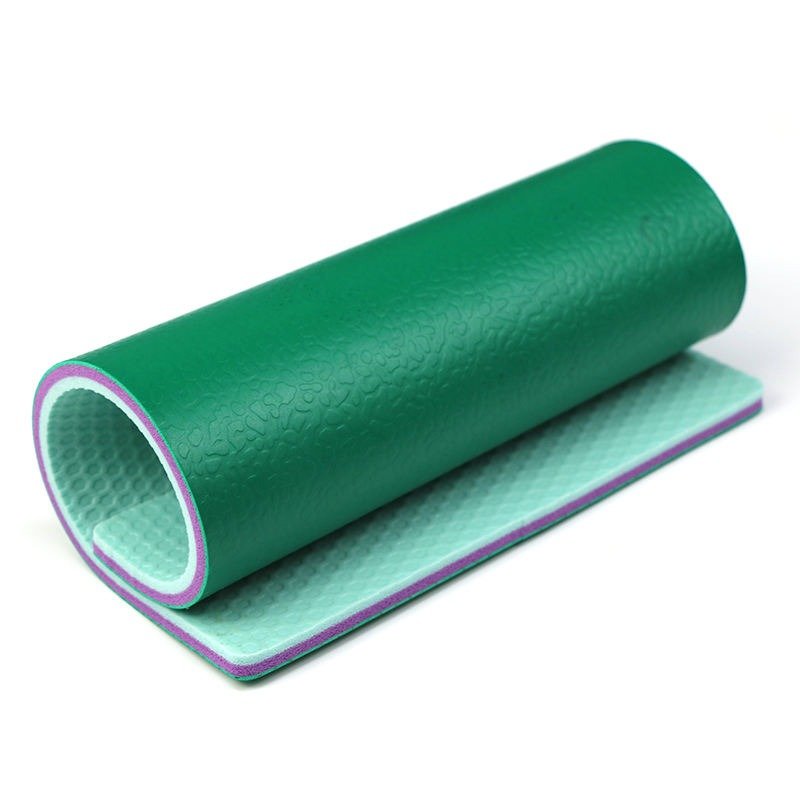
What New Trends in the Sports Flooring Industry Are Worth Paying Attention To?
The sports flooring sector is evolving rapidly. Below are the most impactful trends that every industry professional should monitor closely.
1. Sustainability and Eco-Friendly Materials
Environmental consciousness is no longer a niche concern; it is a mainstream demand. Facility owners and athletes alike are increasingly prioritizing sustainable products. This has driven manufacturers to develop sports flooring solutions made from recycled materials, rapidly renewable resources, and low-VOC (Volatile Organic Compound) adhesives.
Bamboo and cork are emerging as popular alternatives to traditional hardwood for indoor courts. In the vinyl and rubber segments, post-consumer recycled content is becoming a standard feature. Additionally, manufacturers are focusing on end-of-life recyclability, ensuring that old floors can be repurposed rather than ending up in landfills. This trend is particularly strong in Europe and North America, but it is rapidly gaining traction in other regions, including the Middle East.
2. Hybrid and Multi-Purpose Surfaces
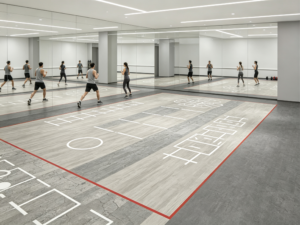
Modern sports facilities are no longer built for a single discipline. A single arena might host basketball, volleyball, badminton, and futsal within the same week—or even the same day. This has fueled the demand for hybrid sports floor systems that can accommodate multiple sports without compromising performance.
These innovative flooring systems often feature interchangeable surface layers or modular designs that allow for quick conversion between sports. For instance, a sports floor mat might be rolled out over a hard surface to create a temporary wrestling or martial arts area. The ability to adapt quickly without sacrificing safety or performance is a game-changer for facility operators looking to maximize revenue and utilization rates.
3. Advanced Shock Absorption and Energy Return
Athletes are becoming more educated about biomechanics and the importance of impact protection. Consequently, there is a growing demand for sports flooring that offers superior shock absorption while also providing energy return.
Modern engineering has produced subfloor systems with specialized rubber padding or foam layers that absorb impact forces and then return a percentage of that energy to the athlete. This reduces fatigue during prolonged play and can even enhance performance. The combination of a resilient surface and a high-performance cushioning layer ensures that joints—particularly knees and ankles—are protected from the repetitive stress of jumping and landing.
4. Smart Flooring and Technology Integration
The Internet of Things (IoT) has reached the sports floor. Smart sports flooring is an emerging category that integrates sensors and data collection capabilities directly into the surface. These floors can track player movements, count steps, measure impact forces, and even detect falls.
For high-performance training centers and professional teams, this data is invaluable. Coaches can analyze athlete movement patterns to optimize training regimens and reduce injury risks. In some advanced installations, the floor can even change lighting or display information in real-time, creating an immersive experience for both players and spectators.
5. Regional Expansion: The Rise of the Sports Floor Middle East Market
While North America and Europe have been traditional strongholds for the sports flooring industry, the sports floor middle east region is experiencing explosive growth. Massive investments in infrastructure, fueled by events like the FIFA World Cup and the ongoing development of sports cities, have created a surging demand for high-quality athletic surfaces.
The climate in the Middle East presents unique challenges, including extreme heat and sand ingress. As a result, manufacturers are developing sports flooring solutions specifically engineered for these conditions. Durable rubber and synthetic surfaces that can withstand high temperatures while maintaining grip and safety are becoming increasingly popular. This regional focus is a significant trend, with many sports flooring manufacturers establishing dedicated supply chains and distribution networks to serve the Middle East market efficiently.
6. Ease of Installation and Maintenance
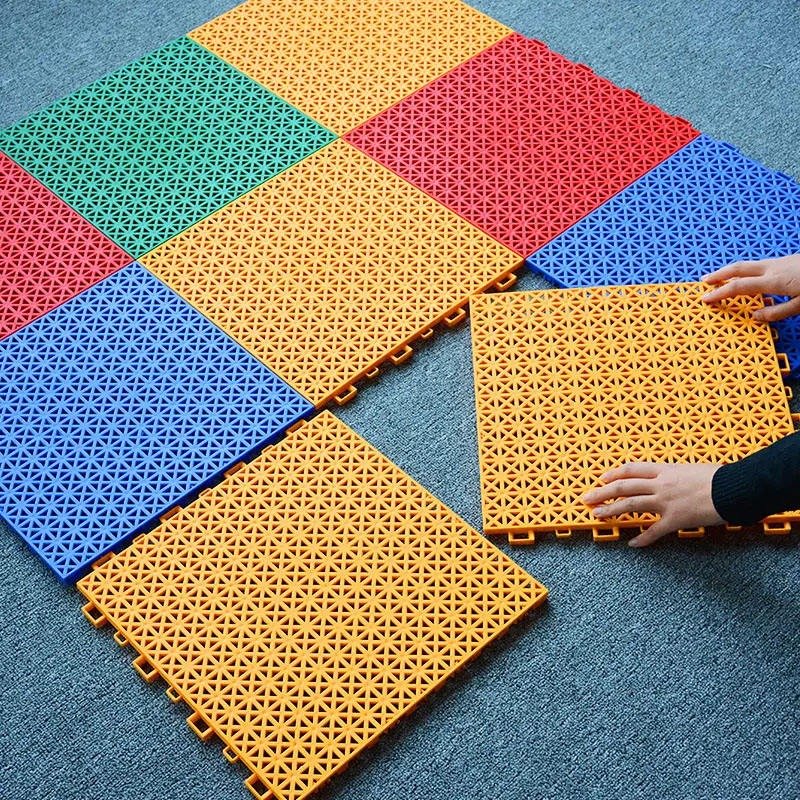
Facility downtime is costly. Therefore, there is a growing preference for sports flooring systems that are quick to install and easy to maintain. Click-lock systems, loose-lay rubber tiles, and interlocking sports floor mats are gaining popularity because they require no glue or specialized labor. This not only speeds up installation but also allows for easy replacement of damaged sections.
Furthermore, maintenance technology has advanced. New surface coatings and treatments resist staining, scuffing, and UV damage, reducing the frequency of deep cleaning. For busy facilities, this translates to lower long-term operational costs.
7. Enhanced Aesthetics and Customization
Sports flooring is no longer just about function—it is also about brand and identity. Teams and schools want surfaces that reflect their colors, logos, and visual themes. Digital printing technology now allows for high-resolution graphics to be embedded directly into the sports flooring surface without compromising durability.
Customizable color palettes and patterning are also in high demand. Whether it is a multi-colored court for a university or a branded court for a professional team, the ability to create a visually stunning environment enhances the overall experience for players and fans alike.
8. Focus on Indoor Air Quality (IAQ)
Post-pandemic, the importance of indoor air quality has skyrocketed. This applies to sports facilities as much as it does to offices and schools. Sports flooring is a significant contributor to IAQ, particularly through emissions from adhesives and coatings.
The trend is toward “green” adhesives and sealants with zero or near-zero VOC emissions. Many sports flooring company are now offering certifications for their products, ensuring they meet stringent indoor air quality standards. This is particularly important for facilities that host youth sports, where the health of developing children is a primary concern.
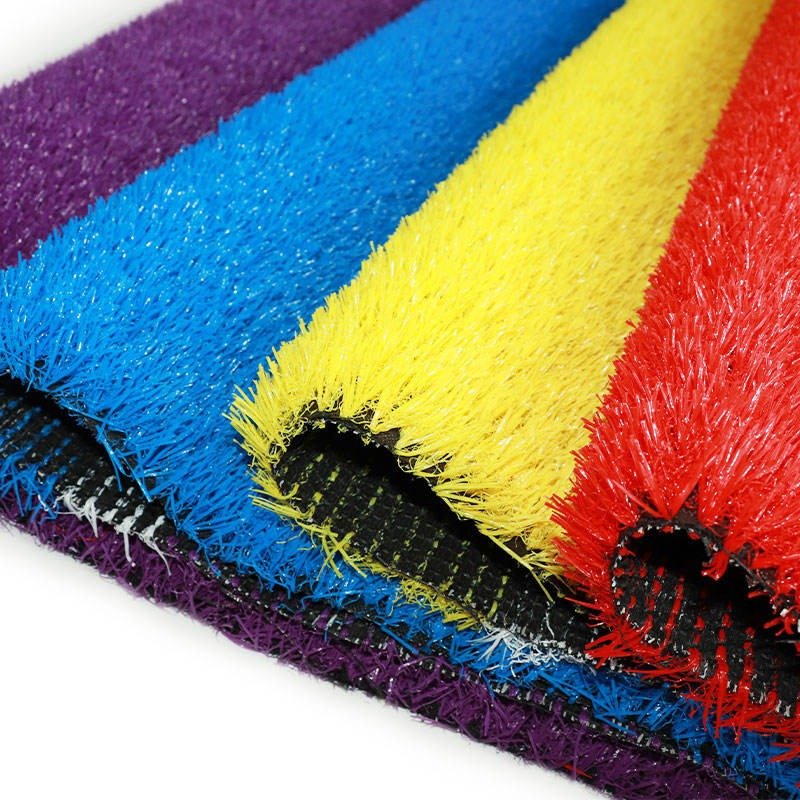
The Importance of Quality Flooring Tape
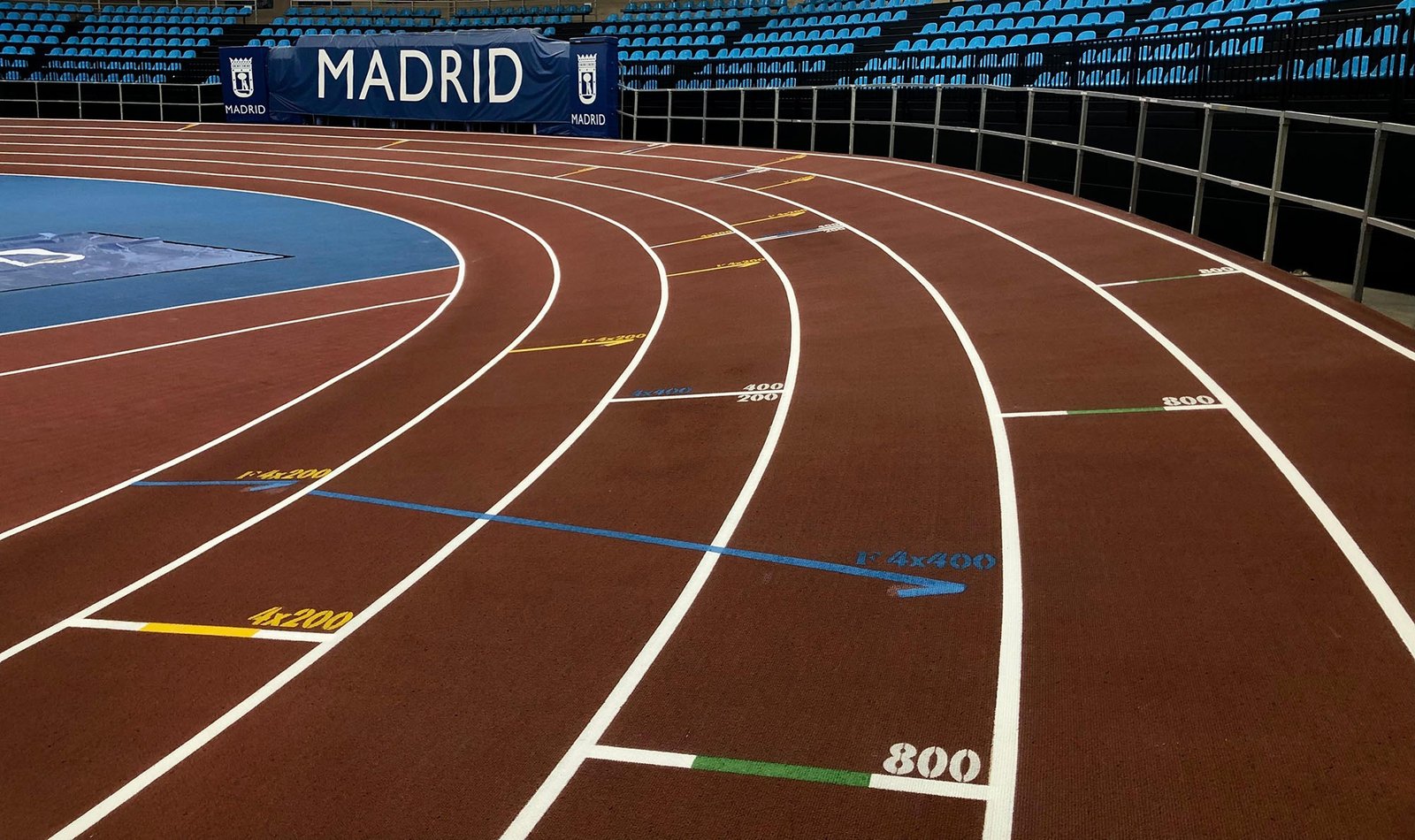
An often-overlooked aspect of sports flooring is the integrity of the playing field’s boundaries. Sports floor tape is essential for marking courts, particularly in multi-use facilities where lines need to be changed frequently.
The current trend is toward highly durable, slip-resistant sports floor tape that can withstand heavy foot traffic and regular cleaning without peeling or fading. Some tapes are even designed to be easily removable, allowing for quick line changes between sports. Investing in quality tape ensures safety and compliance with official regulations, preventing injuries caused by tripping or slipping on poorly marked lines.
Choosing the Right Sports Flooring Manufacturers
With so many options available, selecting the right partner for your flooring needs is crucial. A reputable sports flooring company will offer not only high-quality products but also comprehensive support, including consultation, installation guidance, and after-sales service.
When evaluating sports flooring manufacturers, consider the following criteria:
-
Material Quality: Do they use premium raw materials that meet international standards?
-
Certifications: Are their products certified for safety, durability, and environmental impact?
-
Track Record: Do they have a proven history of successful installations?
-
Customization: Can they tailor solutions to your specific requirements?
-
Global Reach: Do they have a reliable supply chain for international projects?
Leading sports flooring manufacturers are those who invest heavily in research and development to create innovative products that address the specific challenges of modern sports environments. They are also partners who understand the logistical complexities of large-scale projects, especially in challenging regions like the Middle East.
RunsureFloor Company Profile
For many years, we have been at the forefront of the sports flooring industry. Our state-of-the-art production facilities consistently ensure product quality, while our experienced team provides unparalleled technical support. We have extensive global export experience and a strong market position in Asia, Europe, and the Americas.
Quality Control and Global Supply
Our rigorous quality control processes ensure that every batch of sports flooring meets standards. We work closely with our customers to ensure timely delivery and price stability, placing customer needs above market trends. Our commitment to customer satisfaction is reflected in our long-term partnerships with our clients, such as our decade-long collaboration with one of the world’s largest companies.
Conclusion
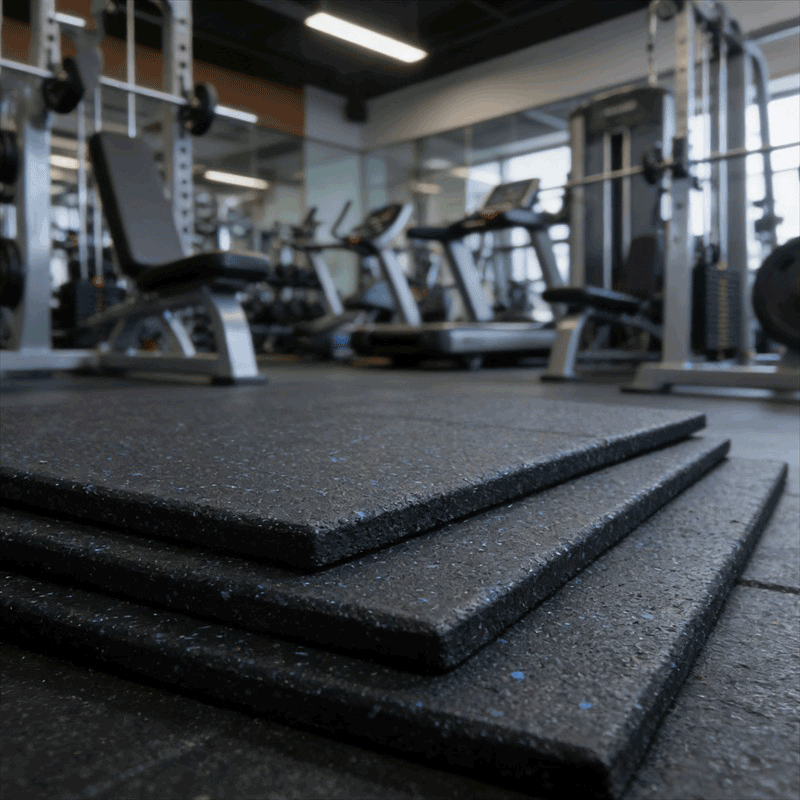
The sports flooring industry is in a state of dynamic evolution. From the rise of sustainable materials and smart technology to the explosive growth of the sports floor middle east market, the opportunities and challenges are immense. Whether you are looking for durable sports floor mats for a gym, precise sports floor tape for court markings, or a comprehensive full-court solution, staying informed about these trends is essential.
As a facility owner or project manager, your choice of sports flooring manufacturers will define the safety, aesthetics, and performance of your space. By aligning with a trusted sports flooring company that understands these trends—such as one with a strong commitment to quality control and global supply—you can ensure that your investment delivers long-term value and satisfaction.
The future of athletic performance is built from the ground up. The floor beneath our feet is not just a surface; it is a critical component of the athletic experience. Embrace these trends, prioritize quality, and partner with experts who can bring your vision to life.