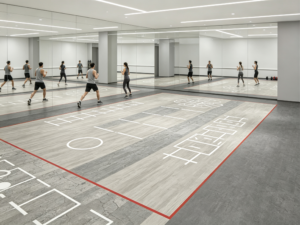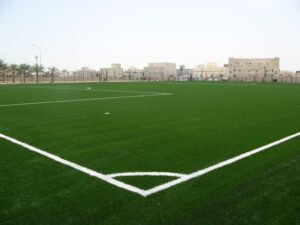
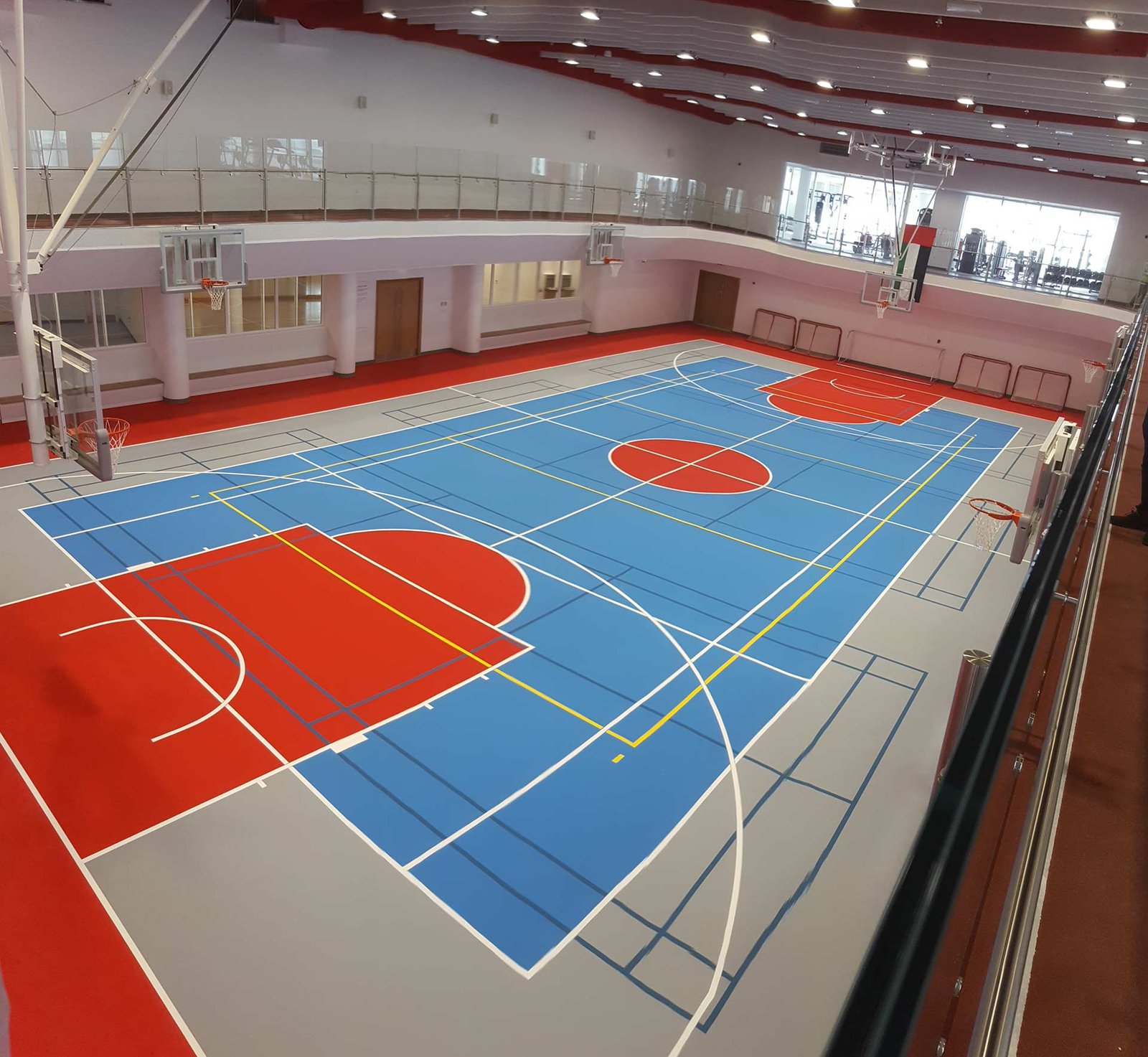
The global sports flooring industry is currently undergoing a significant transformation. No longer viewed as a mere commodity, the surface beneath athletes’ feet is now recognized as a critical component of performance, safety, and sustainability. As we look toward 2027 and beyond, the demand for high-performance surfaces is skyrocketing, driven by an increase in multi-purpose facilities, a surge in recreational sports participation, and a global push for eco-friendly construction materials.
For industry professionals, facility managers, and distributors, staying ahead of the curve means understanding the technical innovations and market shifts that define modern production. In this article, we will explore the most pressing trends in the industry while addressing the specific challenges of manufacturing, quality control, and global supply. We will also provide an in-depth look at how leading sports flooring manufacturers are adapting to these changes to meet the diverse needs of the global market.
1. The Rise of Bio-Based and Recyclable Materials
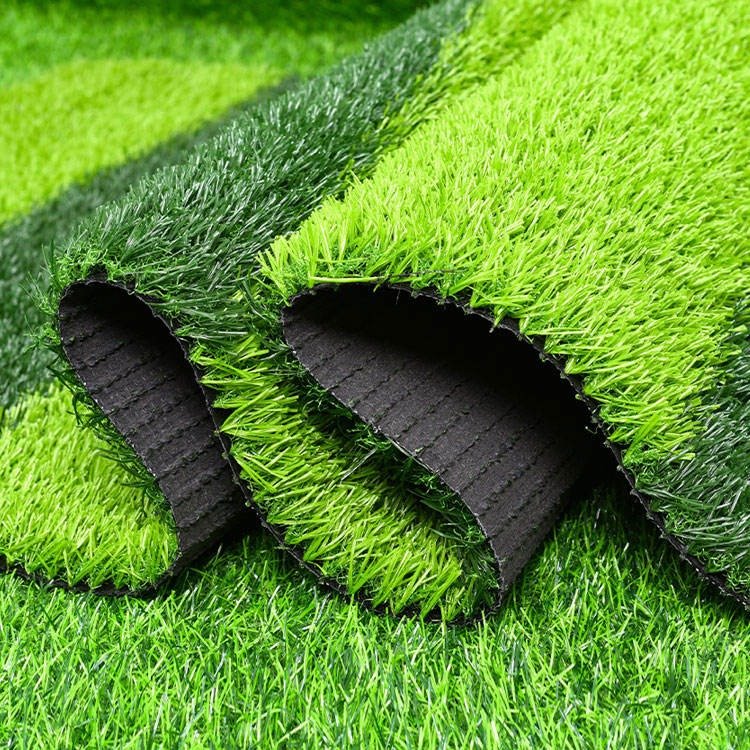
The most dominant trend in the industry is the shift toward sustainability. Traditional sports flooring often relies heavily on virgin PVC and synthetic rubber, which have a significant environmental footprint. However, new manufacturing technologies now allow for the integration of bio-based plasticizers, natural fillers, and recycled content without compromising the mechanical properties required for competitive sports.
We are seeing a move toward “circular economy” models where sports flooring is designed to be fully recyclable at the end of its life cycle. Manufacturers are investing in chemical recycling processes that can break down old flooring into raw materials for new products. This trend is not just about being “green” for marketing purposes; it is a direct response to stringent EU regulations and the growing preference among architects for materials with verified Environmental Product Declarations (EPDs).
2. Advanced Shock Absorption and Energy Return Systems
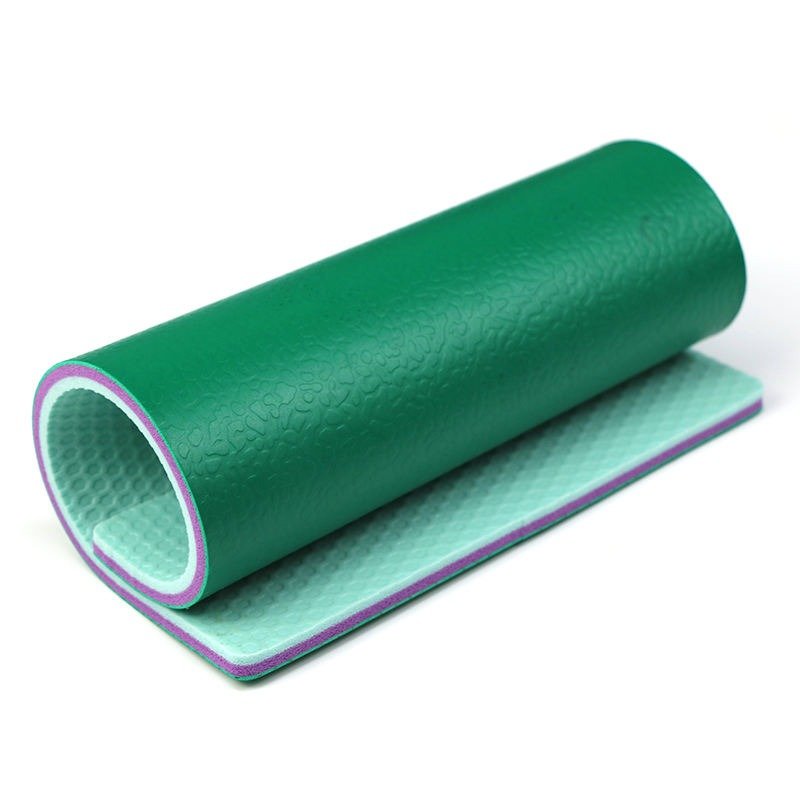
Science has proven that the right floor can reduce injuries and enhance athletic performance. The latest trend involves sophisticated multi-layer constructions that offer a “tuned” response for different sports. For example, we are now seeing floors with engineered air-cushion systems or specialized foam interlayers that provide high shock absorption for indoor court sports while maintaining high energy return for explosive movements.
This requires sports flooring manufacturers to focus heavily on polymer chemistry. The challenge lies in balancing hardness with resilience. A floor that is too soft causes fatigue, while one that is too hard increases the risk of joint injuries. The new generation of products utilizes nanotechnology to modify the cellular structure of the materials, ensuring that the floor retains its shape and performance even under heavy, repeated impact.
3. The Integration of Smart Technology and IoT
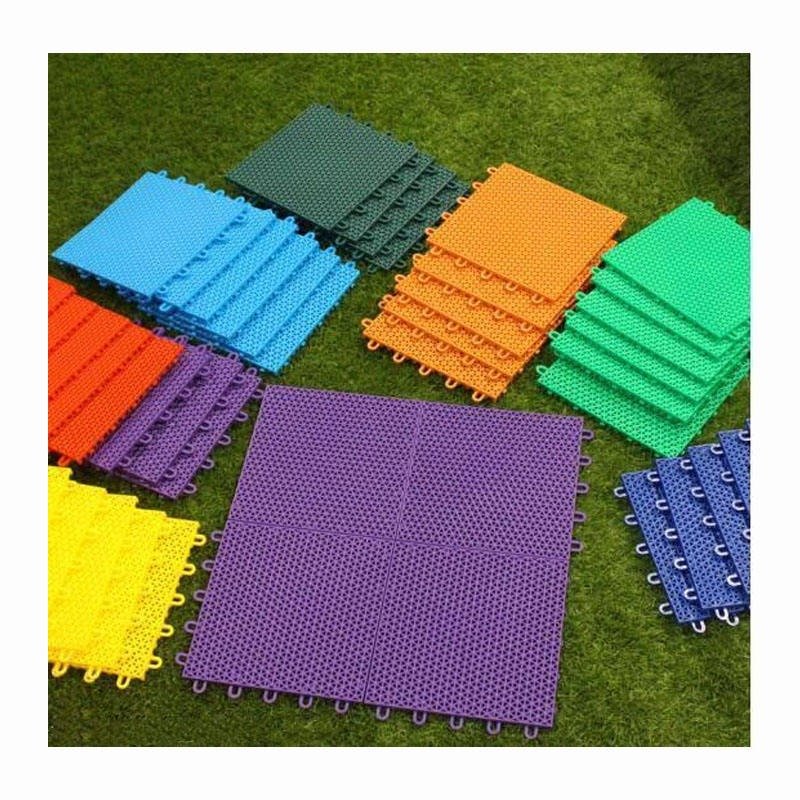
“Smart” surfaces are becoming a reality. Embedded sensors within sports floor mats and tiles can now collect data on foot traffic, impact force, and temperature. This data is invaluable for facility managers to predict maintenance needs, track usage patterns, and ensure the surface remains within safety parameters.
In the production phase, this trend influences the manufacturing process by requiring precise placement of sensors and the use of conductive materials. While still in its infancy, this trend is set to revolutionize how we maintain and certify sports facilities, providing real-time data that can be shared with insurance companies and sports federations.
4. Color Customization and Aesthetic Versatility
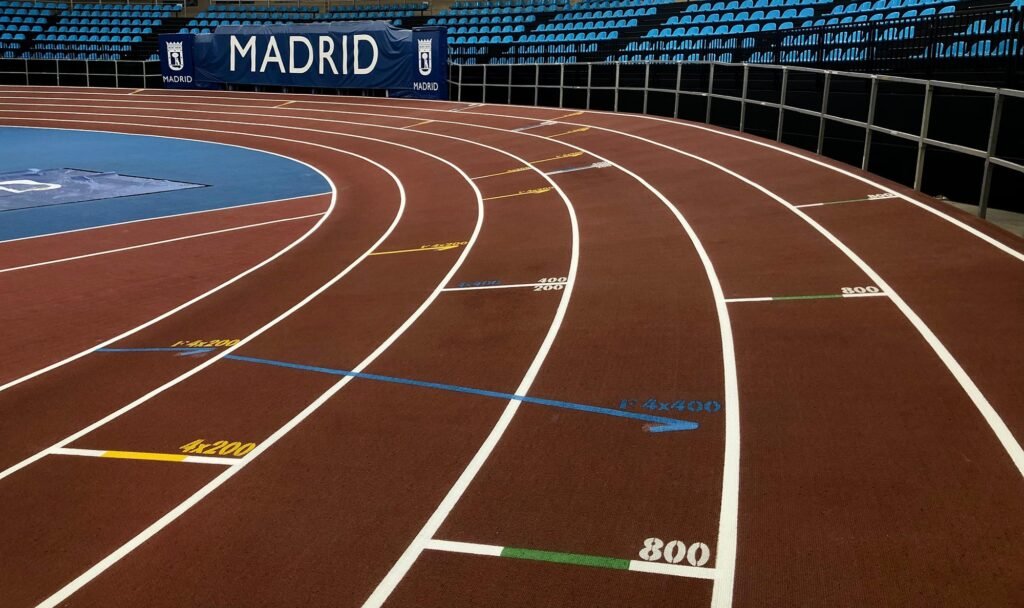
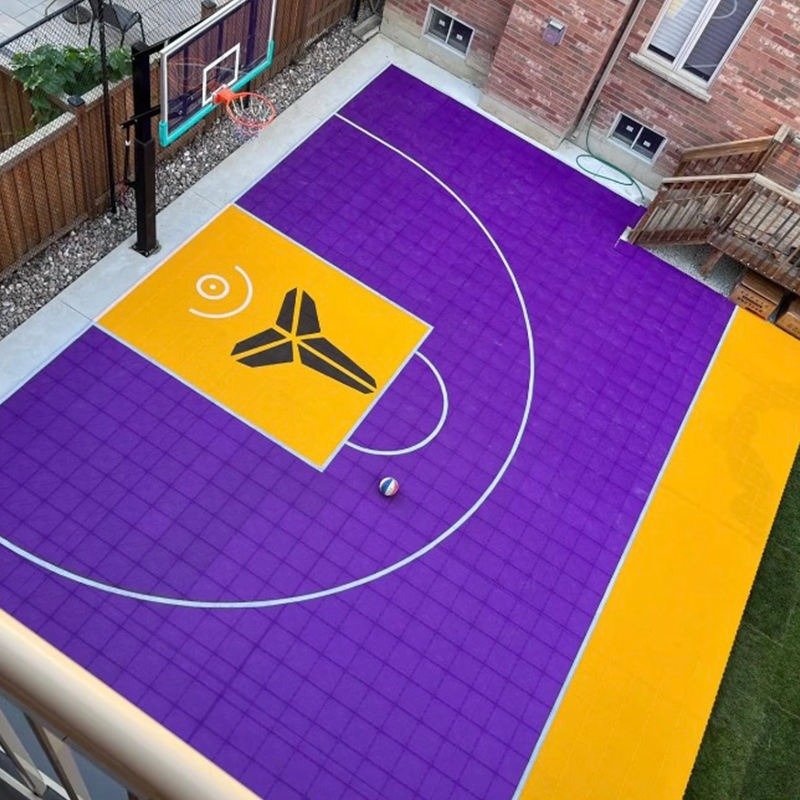
Modern sports facilities are no longer just functional; they are social hubs. This has led to a surge in demand for custom colors, patterns, and printed graphics. High-definition digital printing technology is now being applied to sports floor tape and surface finishes, allowing for the inlaying of team logos, court lines, and vibrant promotional graphics directly into the wear layer of the floor.
This trend places a premium on production flexibility. Manufacturers must now manage complex supply chains to handle small-batch, custom orders without slowing down mass production lines. The demand for aesthetic variety is particularly strong in the commercial sector, where facilities host multiple sports and events simultaneously.
5. The Surging Demand in Emerging Markets
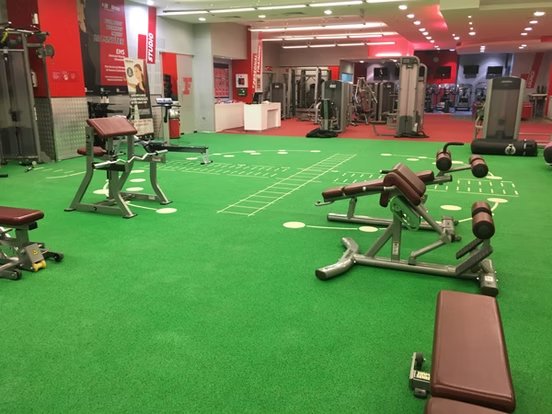
The sports flooring market is seeing explosive growth in regions that have traditionally favored concrete or hardwood. Specifically, the sports floor Middle East region is a hotspot for development. With massive investments in infrastructure for events and tourism, countries like Saudi Arabia, UAE, and Qatar are constructing state-of-the-art sports complexes, schools, and community centers.
These markets require floors that can withstand extreme climatic conditions—high heat and humidity—which affect the dimensional stability of materials. Exporting to this region requires manufacturers to adapt their formulations to ensure the flooring does not expand or contract significantly. The sports floor solutions for the Middle East often require specific UV-resistant coatings and specially formulated backing materials to maintain integrity in high-temperature logistics.
The Production Challenges Behind the Trends
While these trends are exciting, they present significant challenges for production. The use of recycled materials often alters the flow properties of the compound during the calendering or extrusion process. To combat this, factories are investing in advanced computerized mixing systems that adjust temperature and pressure in real-time to maintain consistency.
Furthermore, the demand for custom aesthetics requires high-precision printing and cutting equipment. The handling of sports floor tape—used for line marking and emergency repairs—has also evolved. New tapes are being engineered with aggressive adhesives that bond to the new, more complex polymer surfaces, ensuring they do not peel up during play.
Another critical aspect is logistics. The supply chain disruptions of the early 2020s taught the industry a valuable lesson. Distributors are now looking for partners who offer price stability and reliable delivery. This is where the role of a reputable sports flooring company becomes crucial. Companies that own their production lines, source raw materials globally, and maintain large inventories are better positioned to navigate market volatility.
Conclusion
The next decade will be defined by the convergence of sustainability, technology, and performance. The trends we see today—smart surfaces, bio-based materials, and regional customization—are not fleeting fads but the new baseline for quality. For buyers, whether in the Middle East, Europe, or Asia, understanding these production complexities is essential to making the right investment. As the industry evolves, the ability to adapt manufacturing processes to incorporate recycled content and digital printing will separate the market leaders from the followers.
Company Introduction
As we wrap up this analysis, it is essential to look at the industry leaders who are navigating these trends effectively. One such entity is RunsureFloor.
For many years, RunsureFloor has been at the forefront of the sports flooring industry. Our state-of-the-art production facilities consistently ensure product quality, while our experienced team provides unparalleled technical support. We have extensive global export experience and a strong market position in Asia, Europe, and the Americas. As a dedicated sports flooring company, we understand that innovation must be paired with reliability.
Our rigorous quality control processes ensure that every batch of sports flooring meets the highest international standards. We work closely with our customers to ensure timely delivery and price stability, placing customer needs above market trends. Whether you are looking for durable sports floor mats for a training facility or custom-designed courts, we provide the expertise. Our commitment to customer satisfaction is reflected in our long-term partnerships with our clients, such as our decade-long collaboration with one of the world’s largest companies. We are not just a supplier; we are a strategic partner dedicated to keeping the world moving safely and efficiently.